Kamakhya Temple
The Kamakhya Temple, nestled in the Nilachal Hills of Guwahati, Assam, stands as a testament to India's rich spiritual heritage. Its uniqueness lies in several aspects :-
An iconic Worship :- Unlike most Hindu temples that house idols, Kamakhya is revered for its absence of a traditional deity. Instead, a natural rock formation resembling the female genitalia is worshipped as the embodiment of Goddess Shakti. This emphasizes the divine feminine energy and the cyclical nature of creation.
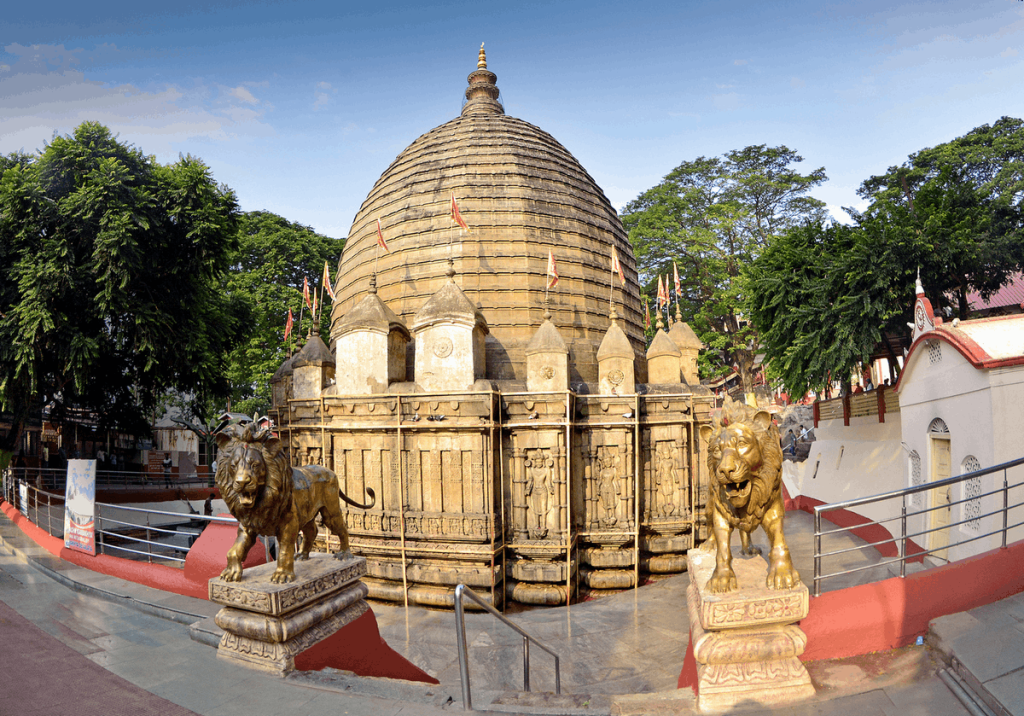
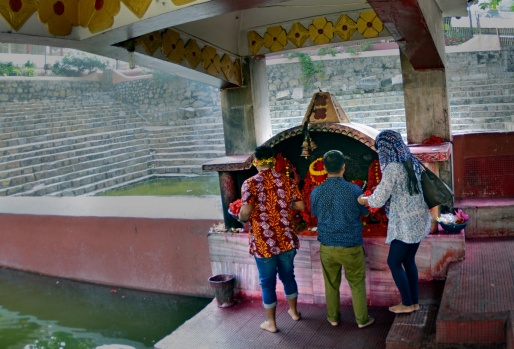
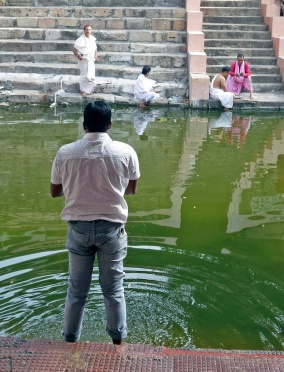
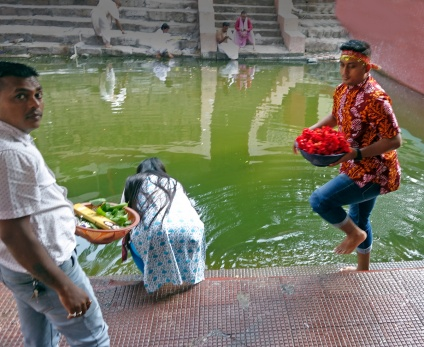
Celebration of the Feminine :- The temple is renowned for the Ambubachi Mela, a unique festival that celebrates the annual menstruation cycle of the Goddess. This unconventional approach challenges traditional taboos surrounding menstruation and highlights the sacredness of the female body.
-

- Banyan Tree on Gate
-
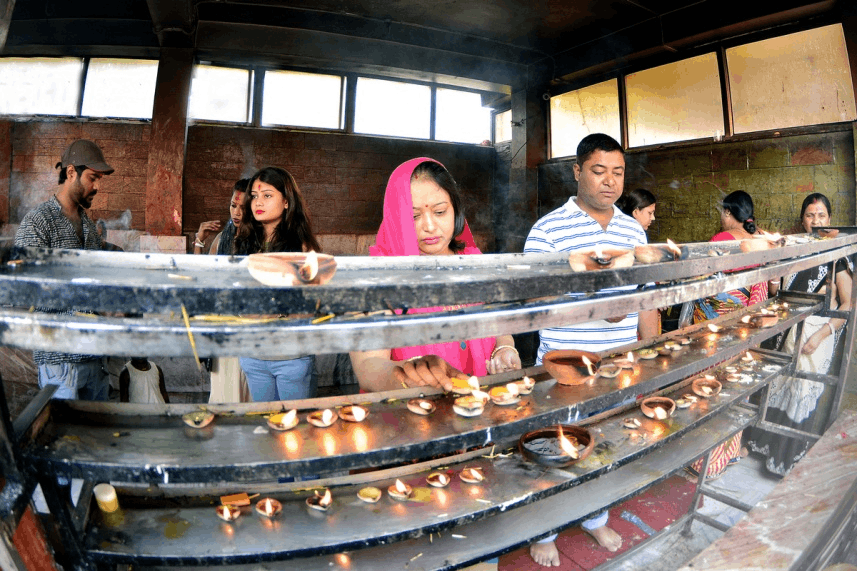
- Burning Diyas
-
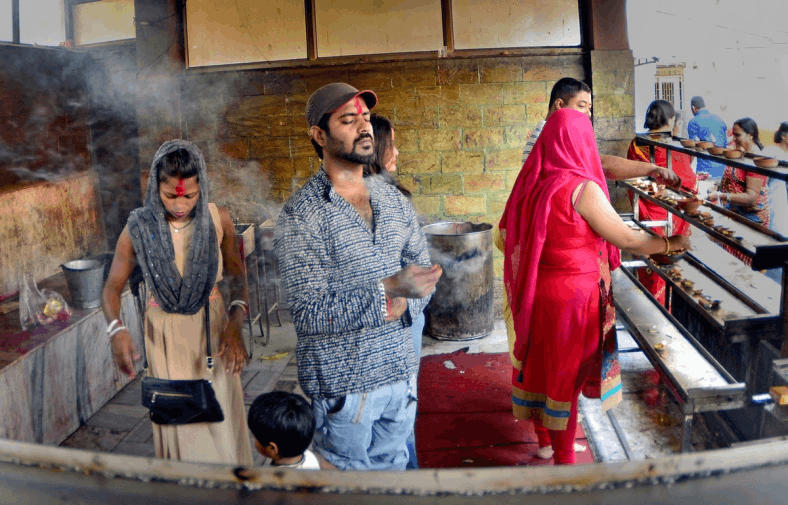
- Incense & Faith
-
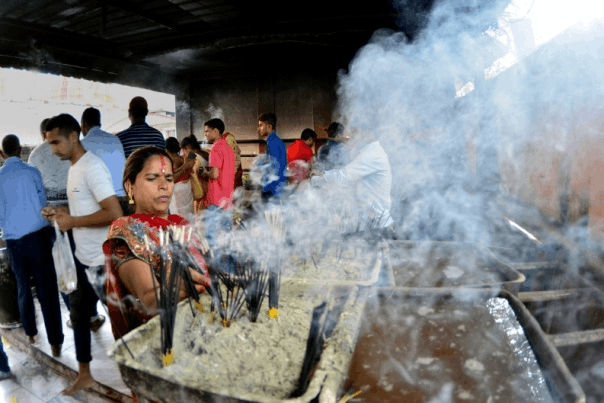
- Spiritual Essence
-

- Soulful Offerings
-
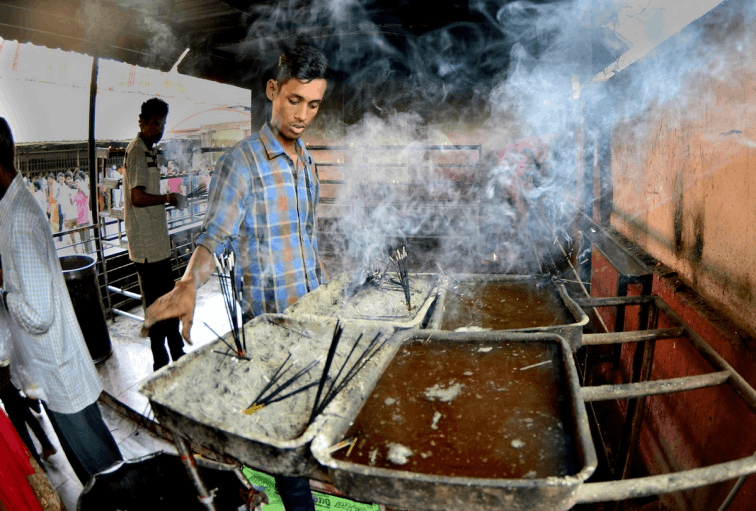
- Incense & Faith
-

- Circumbulation
-

- Cracking Coconut
-
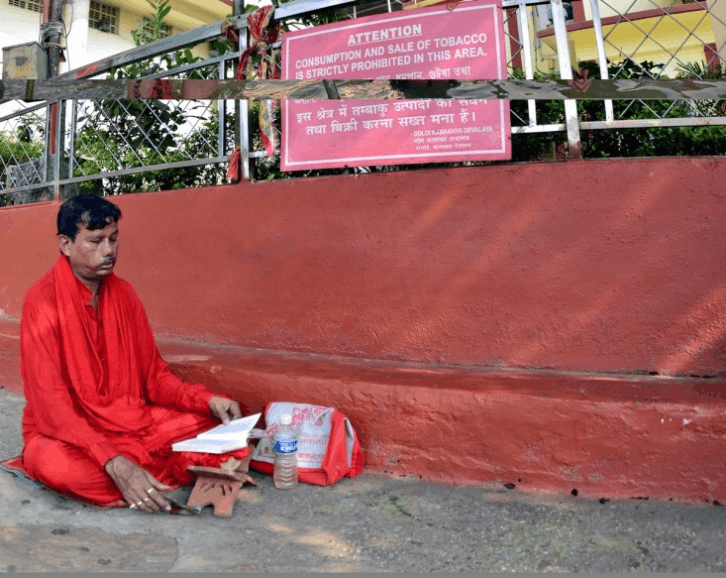
- Devottee sitting outside the Temple
-
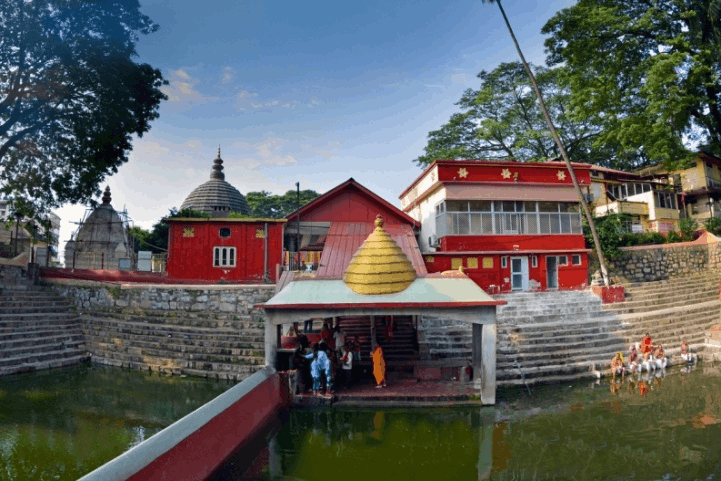
- Devottees near Holy Kund
-
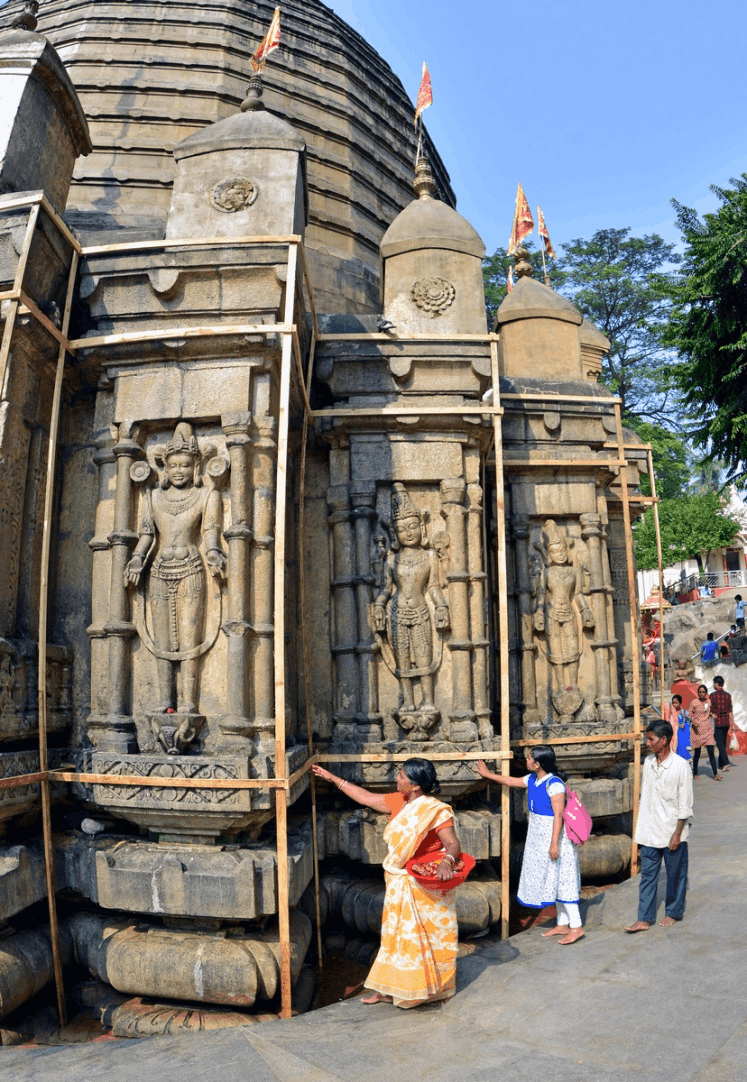
- Exploring by using Hands
-
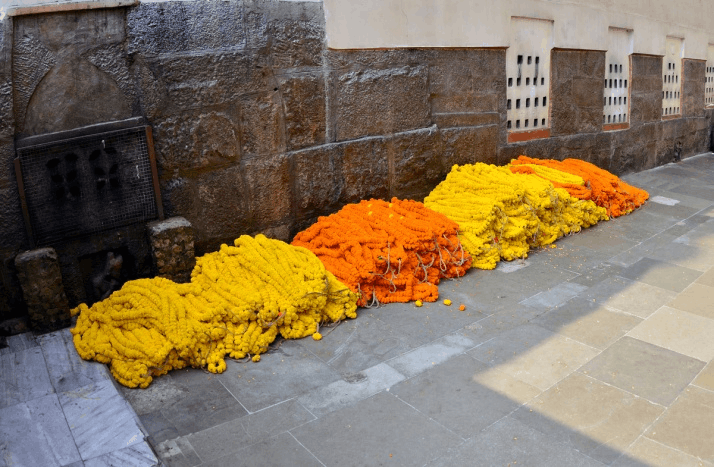
- Flowers for Decoration
-
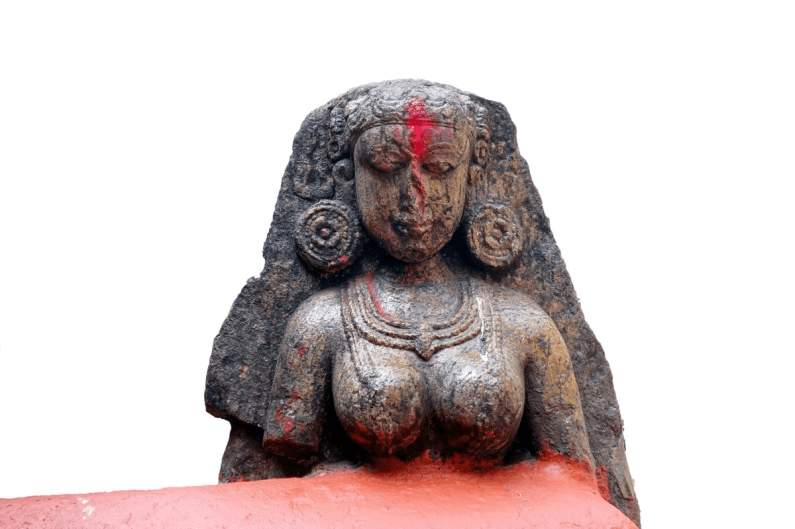
- Idol of Devi
-
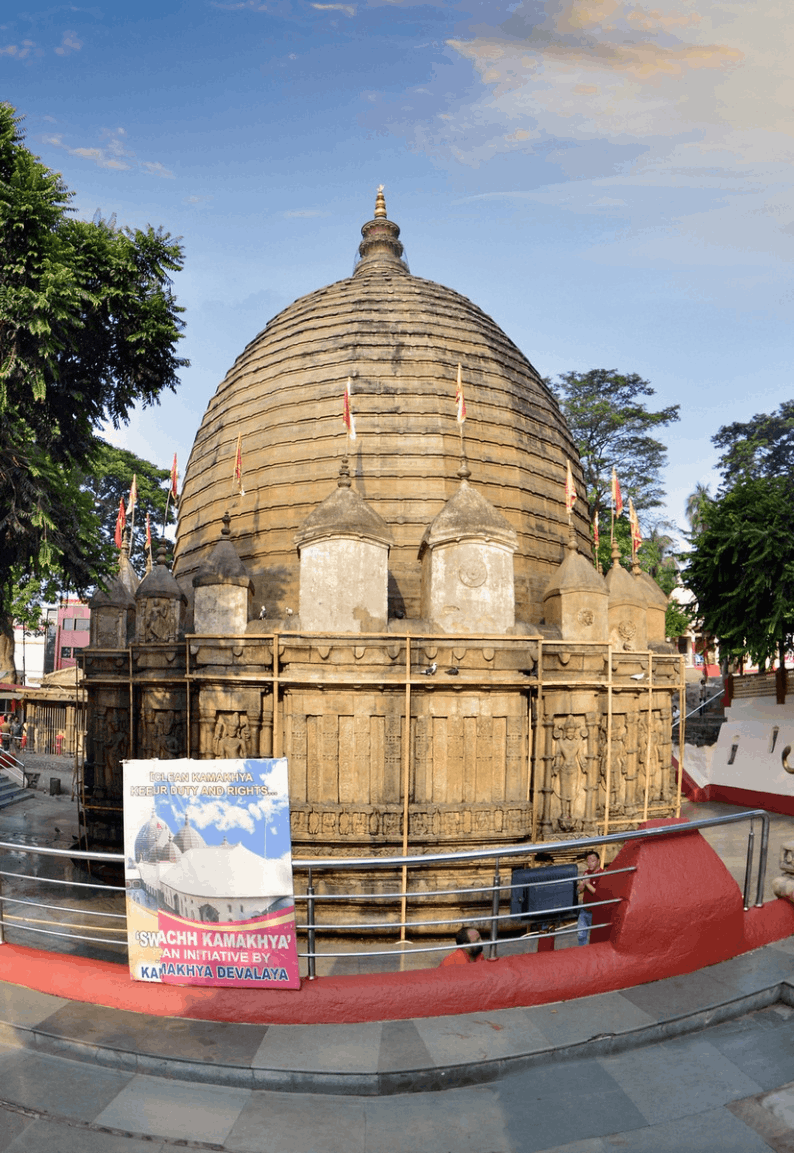
- Kamakhya Temple Back Area
-
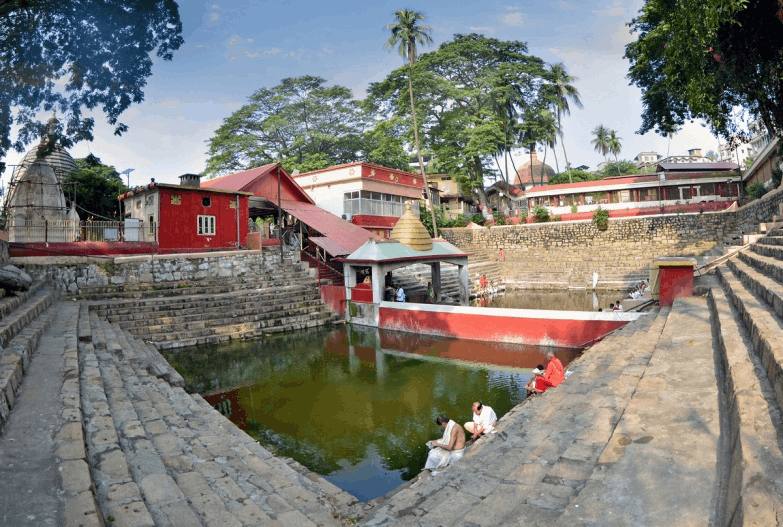
- Tantrik Puja in Kund
-
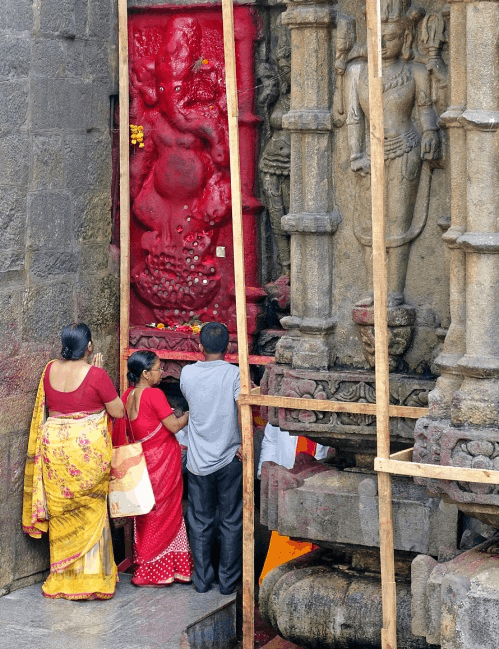
- Sticking Coins on the idol of Ganesh
-
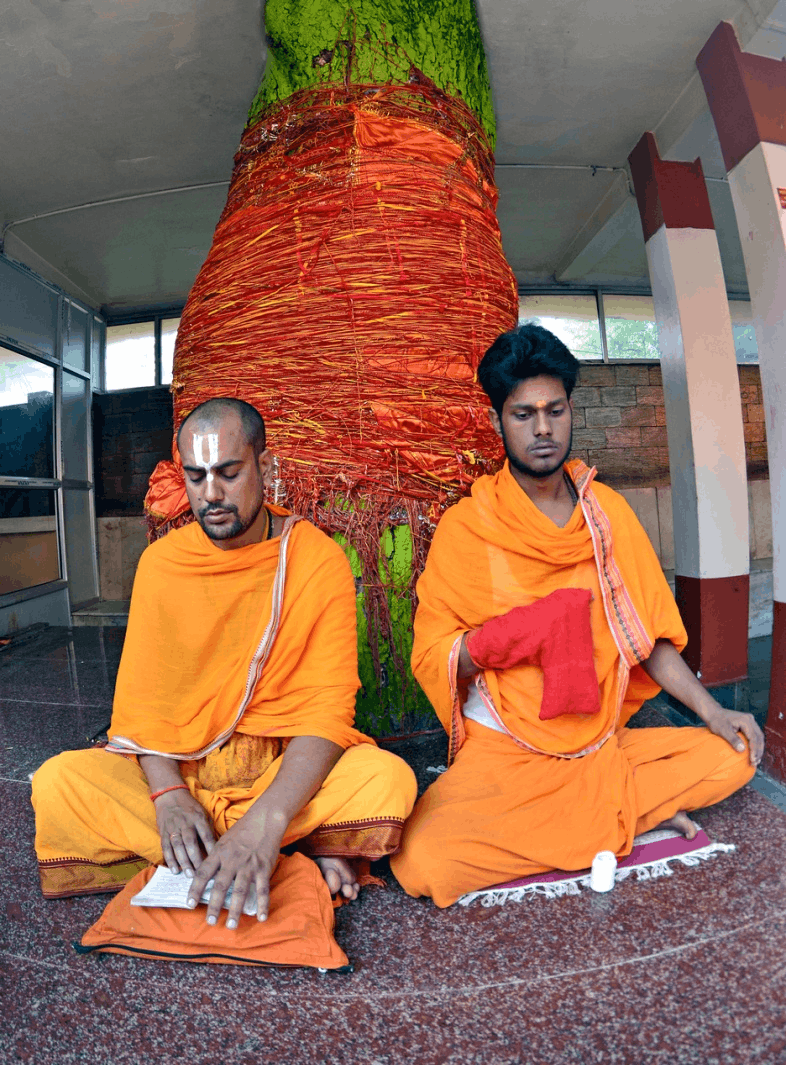
- Two Priest sitting under Vatvriksh
-
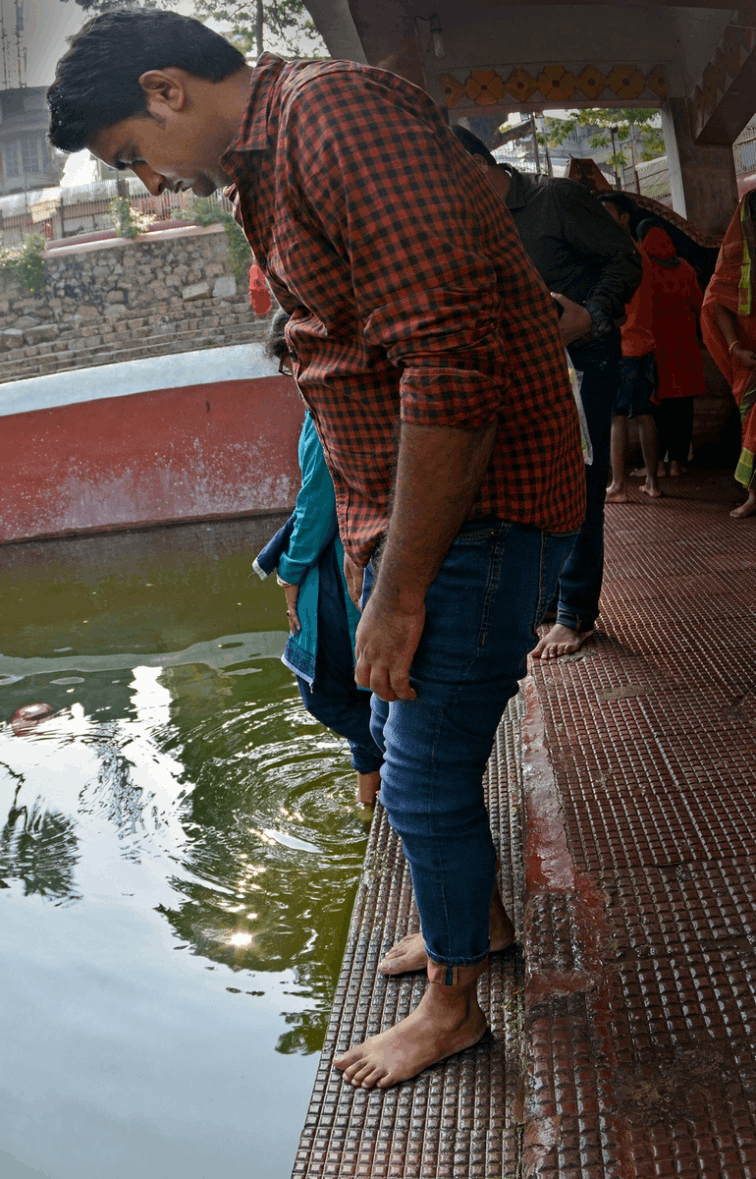
- Watching Fishes in Holy Kund
-

- People waiting in Queue
Tantric Significance :- Kamakhya holds immense importance in Tantric practices. It is believed to be one of the four major Shakti Peethas, where parts of Sati Devi's body fell after her self-immolation. The temple attracts Tantric practitioners and sadhus seeking spiritual enlightenment.
-
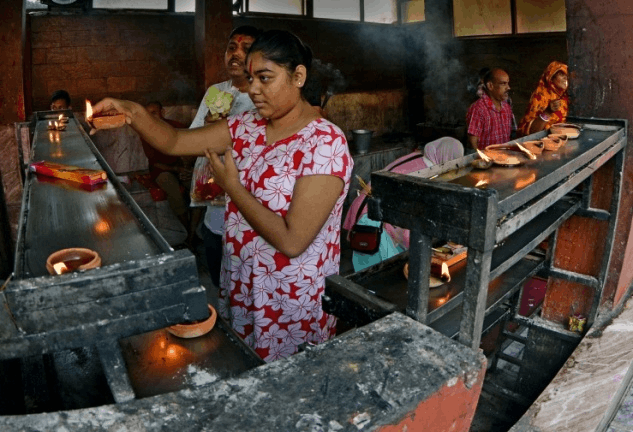
- Doing Aarti
-
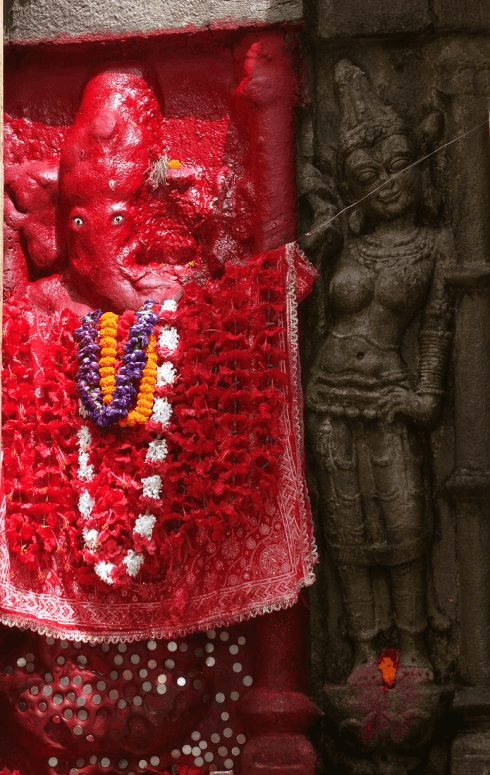
- Ganesh G Statue on the wall of the temple with sticking coins
-
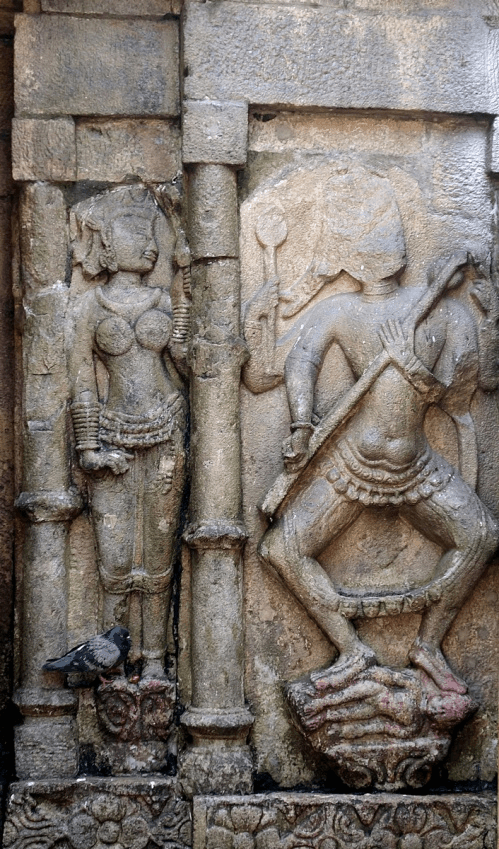
- Goddess Statue on the wall of the temple-9
-
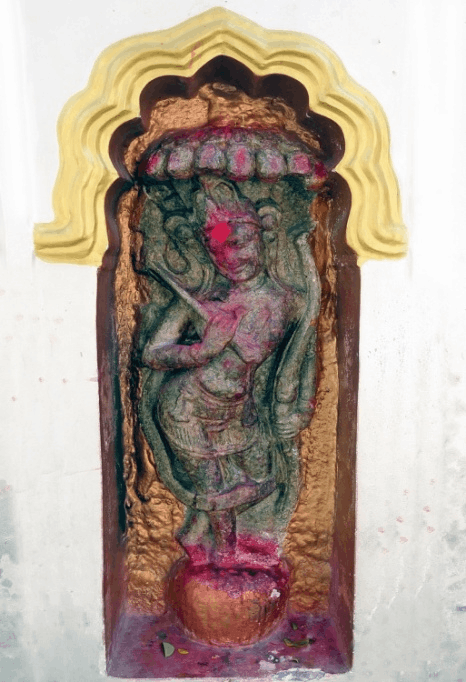
- Goddess Statue on the wall of the temple – 1
-
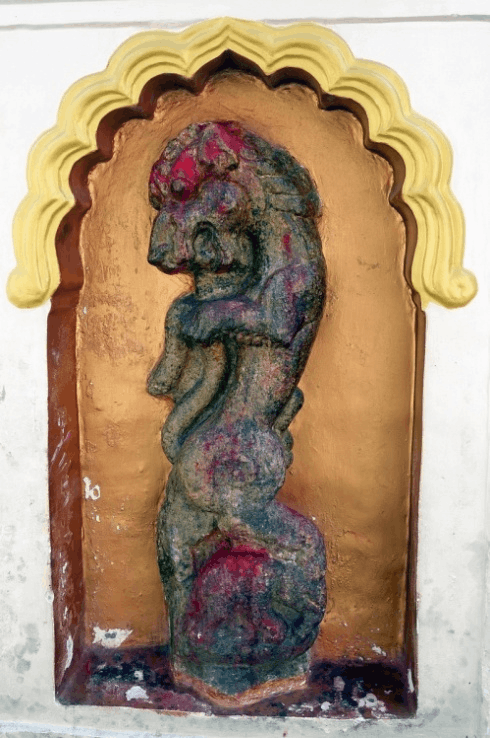
- Goddess Statue on the wall of the temple – 2
-
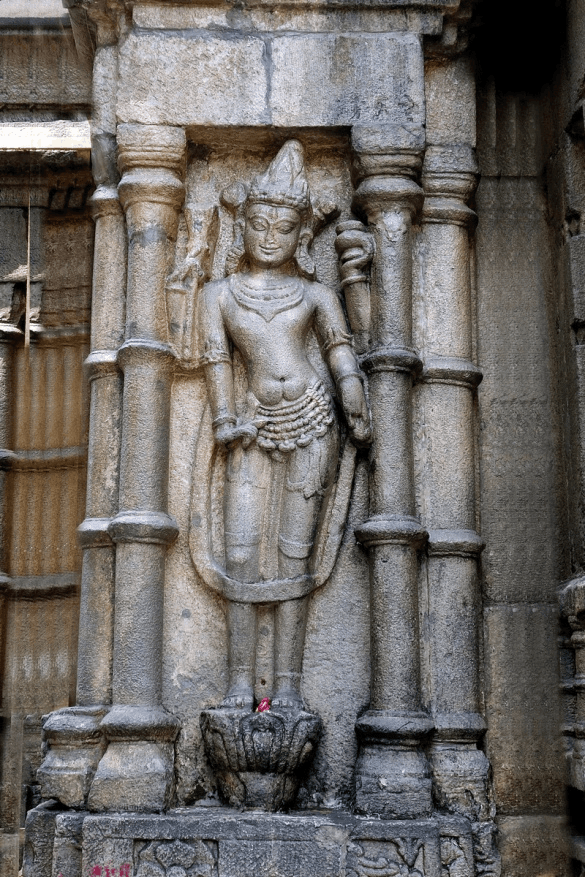
- Goddess Statue on the wall of the temple – 3
-
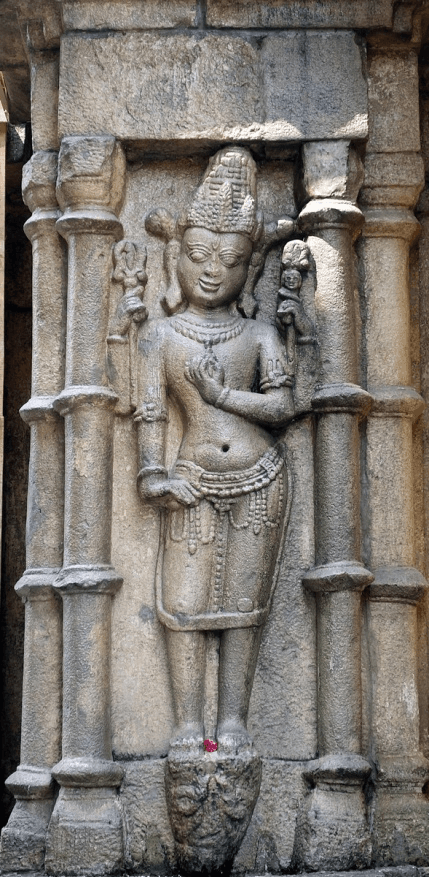
- Goddess Statue on the wall of the temple – 4
-
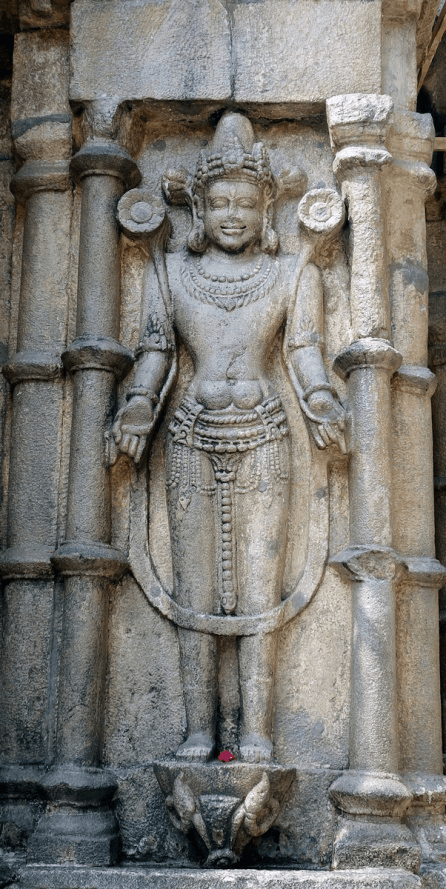
- Goddess Statue on the wall of the temple – 5
-
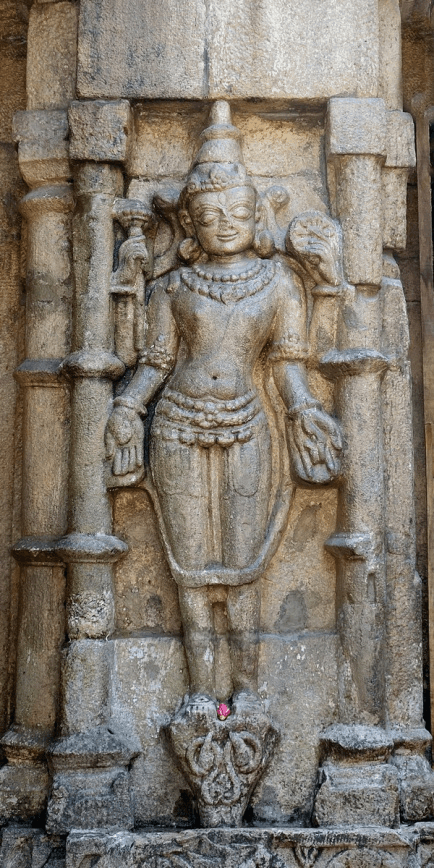
- Goddess Statue on the wall of the temple – 6
-
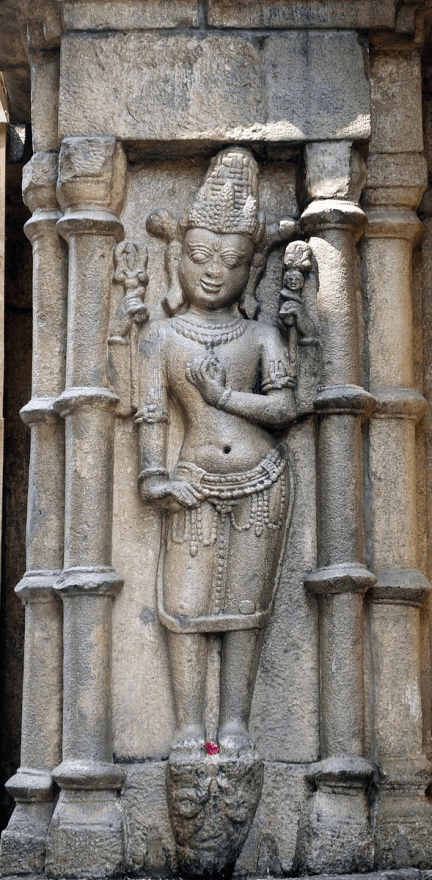
- Goddess Statue on the wall of the temple – 7
-
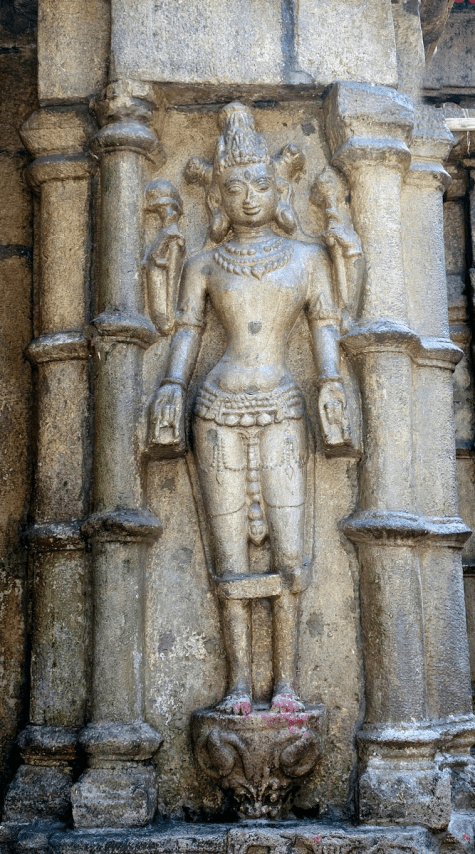
- Goddess Statue on the wall of the temple – 8
-
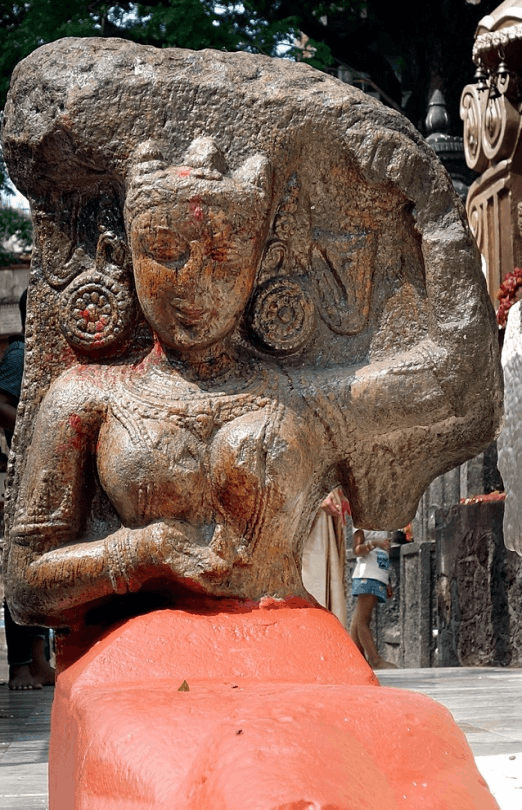
- Idol of Devi 1
-
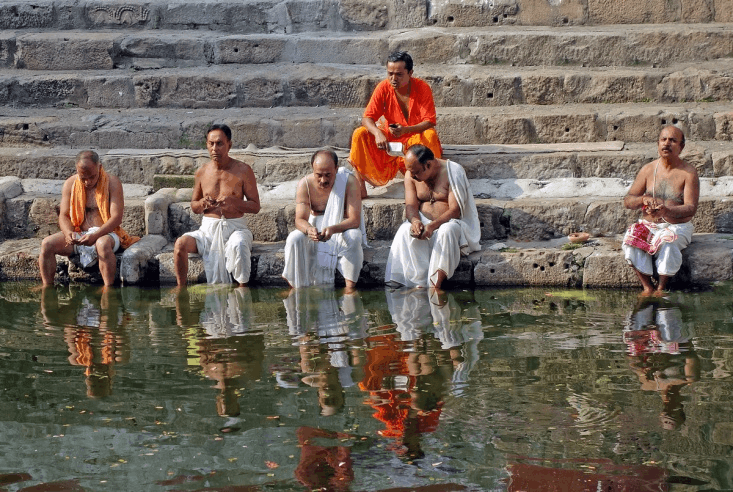
- Immersed in Tantrik puja – 1
-
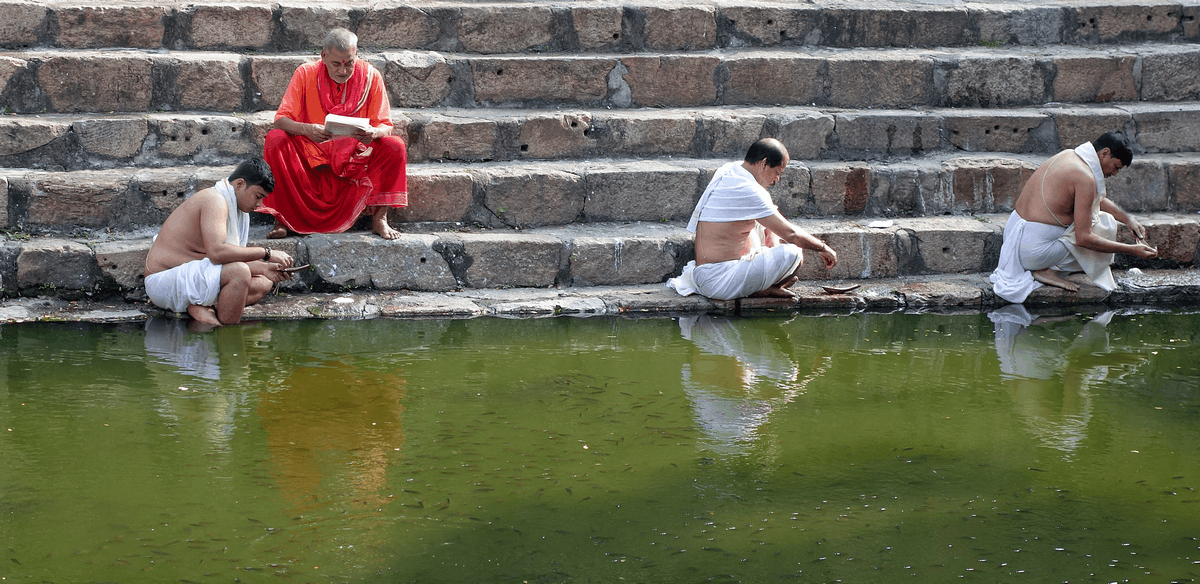
- Immersed in Tantrik puja – 2
-
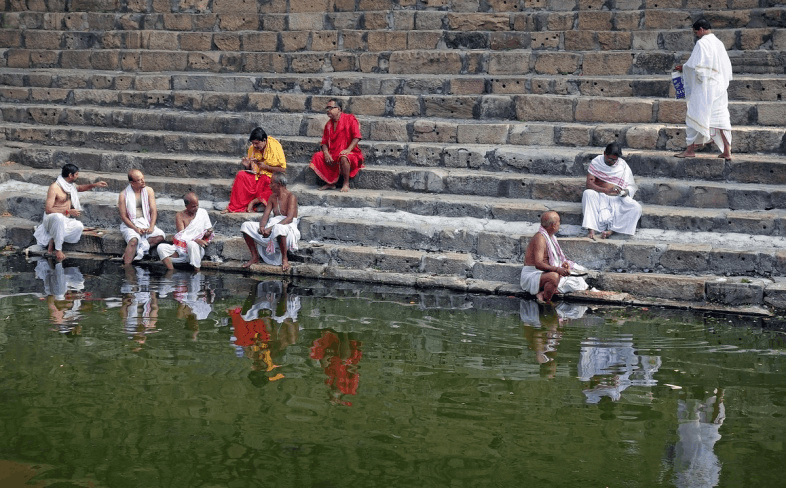
- Immersed in Tantrik puja
-
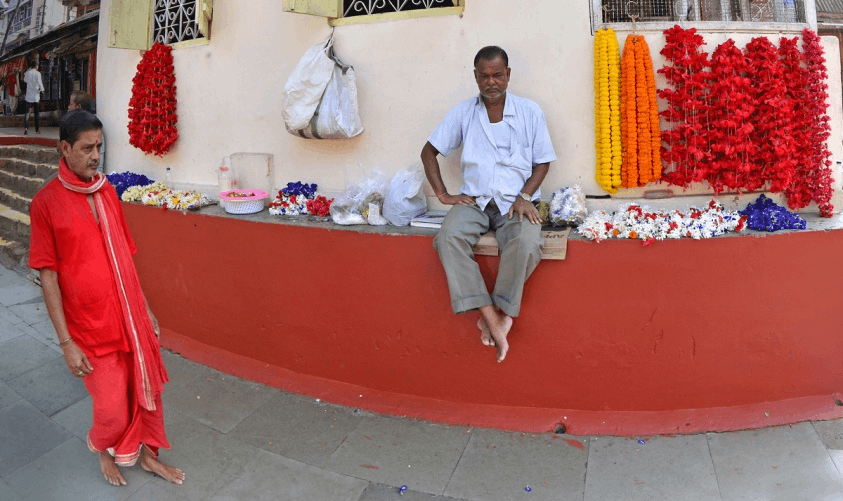
- Panda going to buy flowers
-
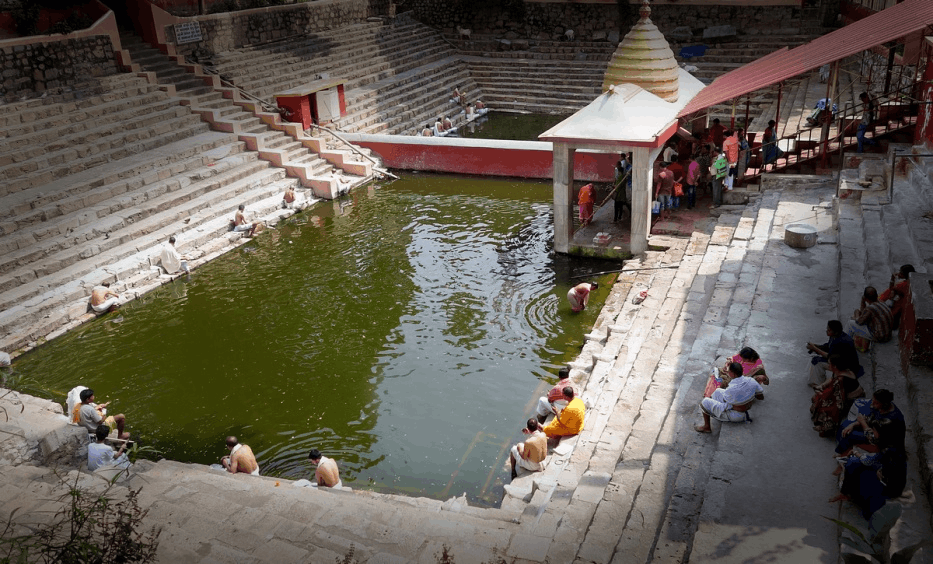
- View of Holy Kund
-

- Waiting to be photographed
Architectural Fusion :- The temple's architecture showcases a fascinating blend of Hindu and Islamic styles, reflecting the region's diverse cultural influences. The intricate carvings and sculptures adorn the temple walls, depicting mythological figures and showcasing the artistic prowess of ancient craftsmen.
-
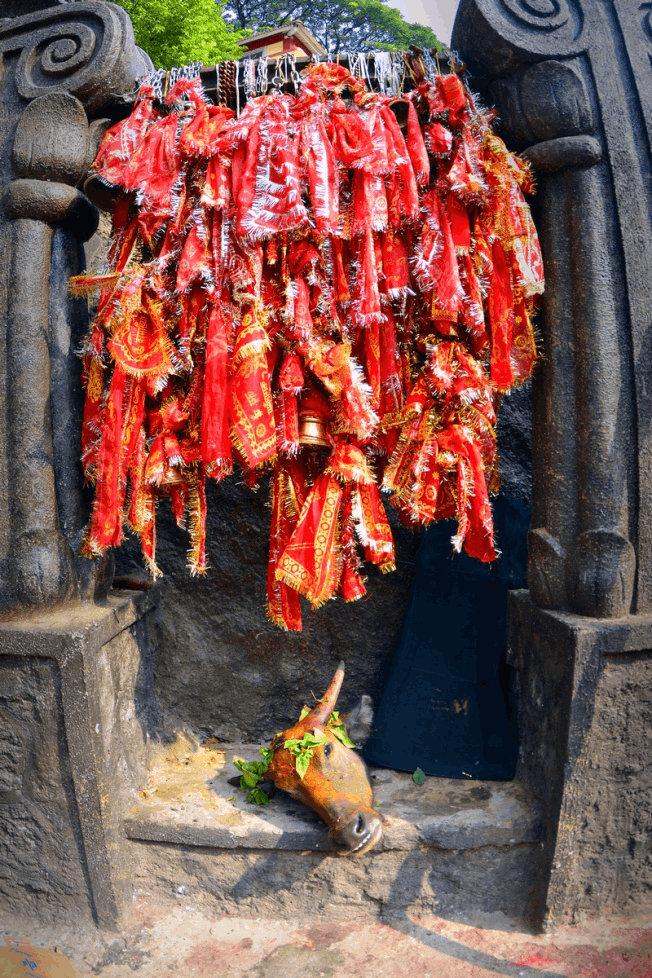
- After Sacrifice – 1
-

- After Sacrifice
-

- After Sacrificing Baby Goat
-
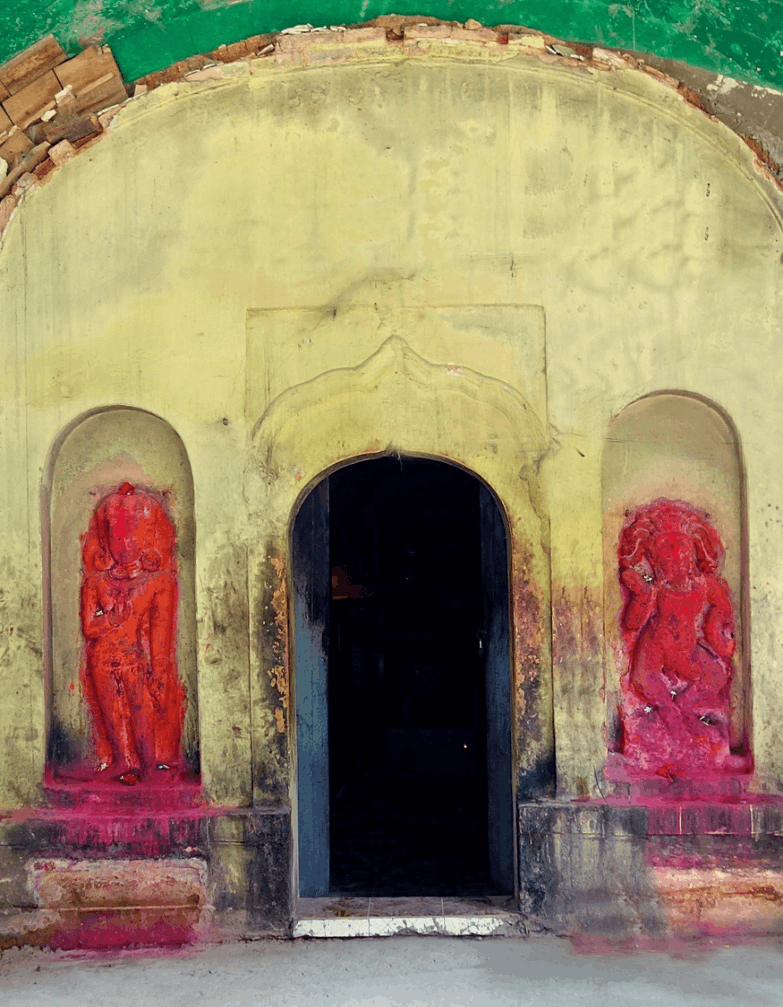
- Entry Gate of Garbha Griha
-
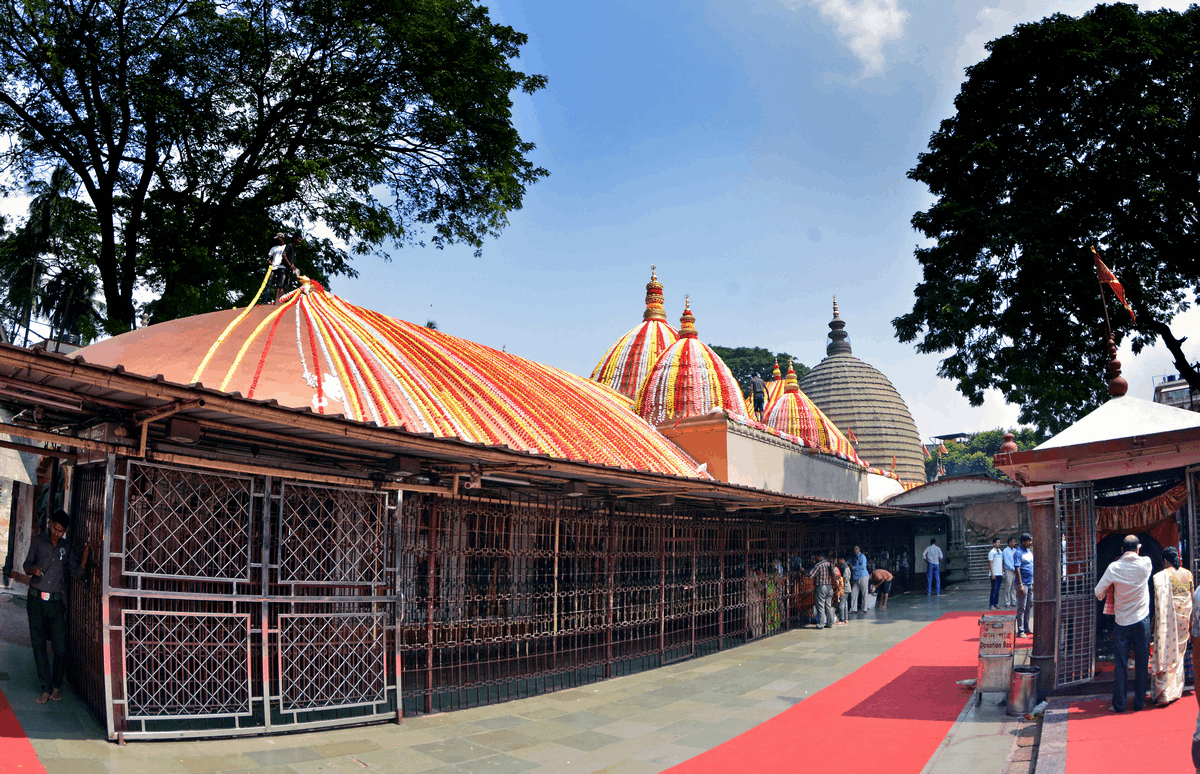
- Flower decoration on the temple roof
-
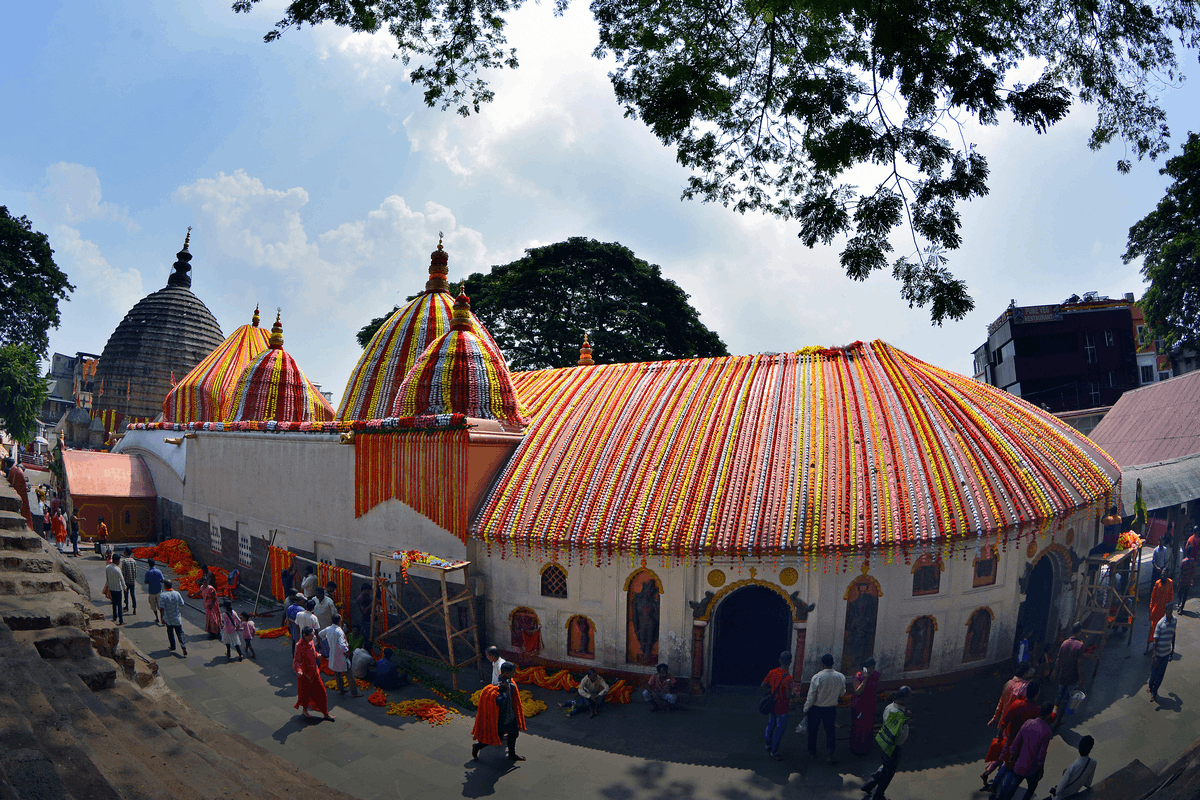
- Flower decoration on the temple roof
-
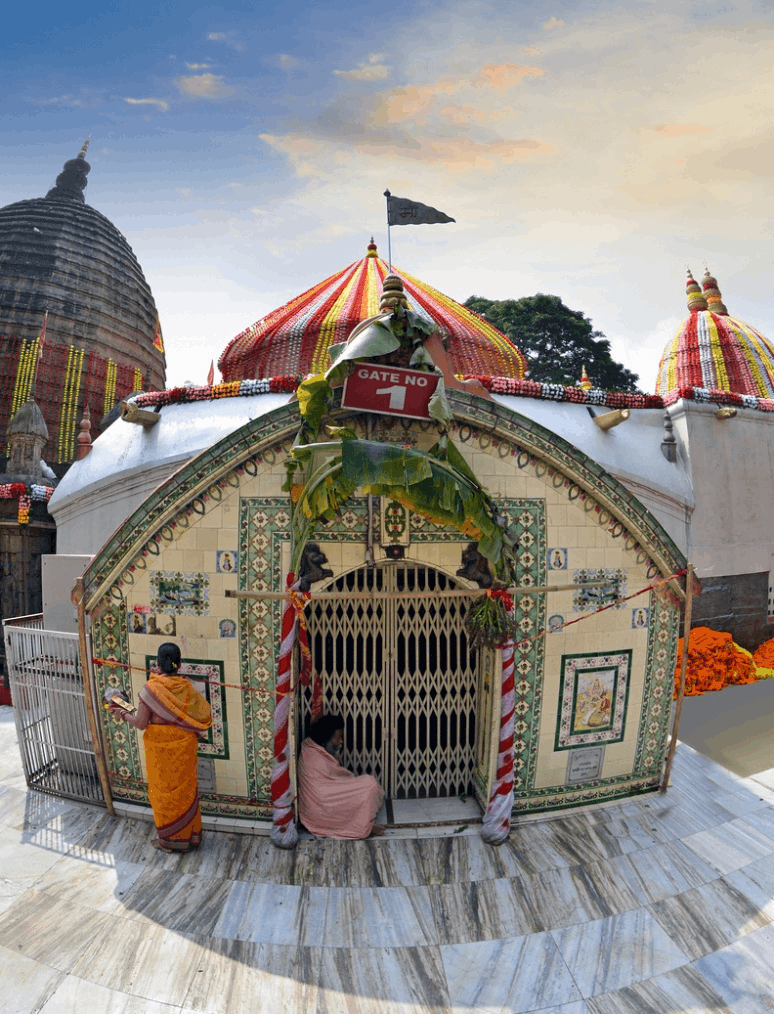
- Gate towads Garbh Griha
-
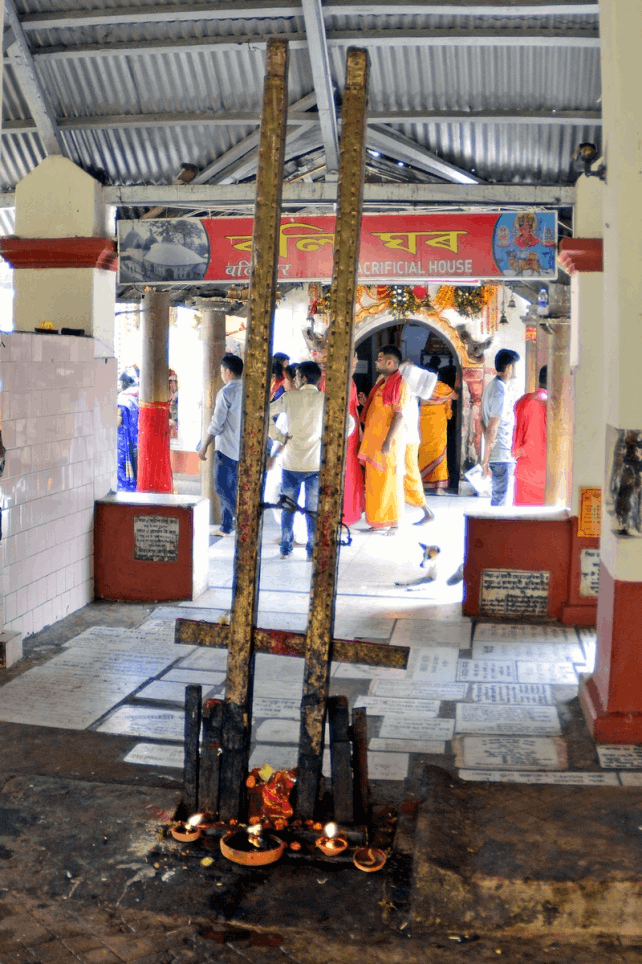
- Sacrificial House
-

- Sacrificing Baby Goat
-
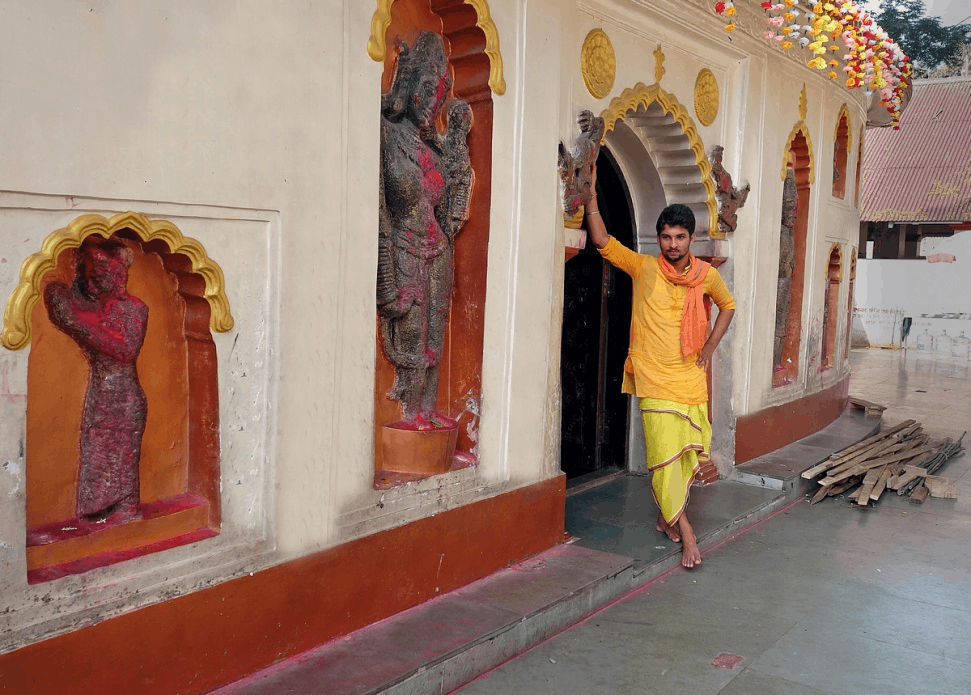
- Waiting for devottees
Natural Spring :- A natural spring, believed to be the source of the Brahmaputra River, flows beneath the temple. This spring holds religious significance and is considered sacred by devotees.These unique features make Kamakhya Temple a revered pilgrimage site for Hindus and a testament to the diversity and richness of Indian spirituality.
-
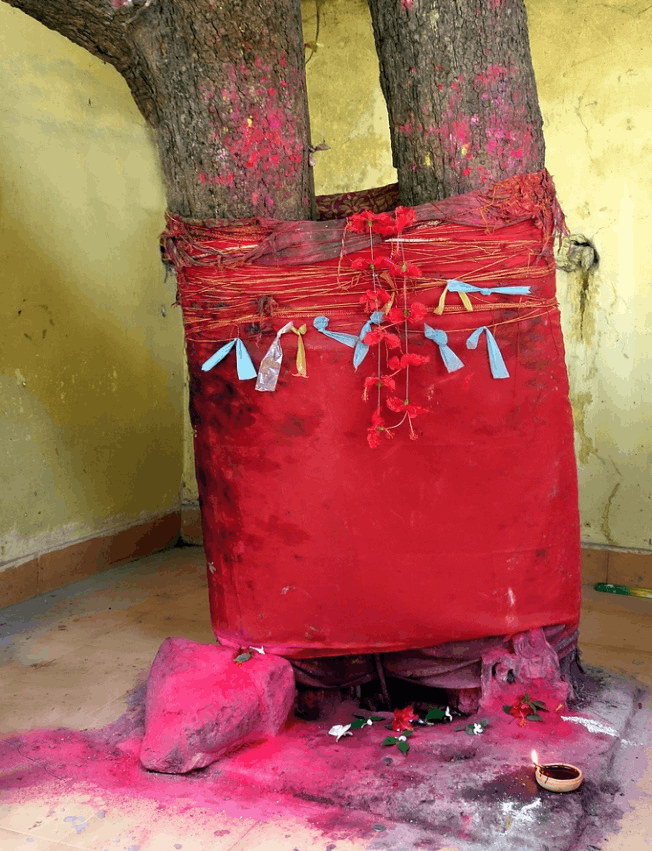
- Goddess Tree
-
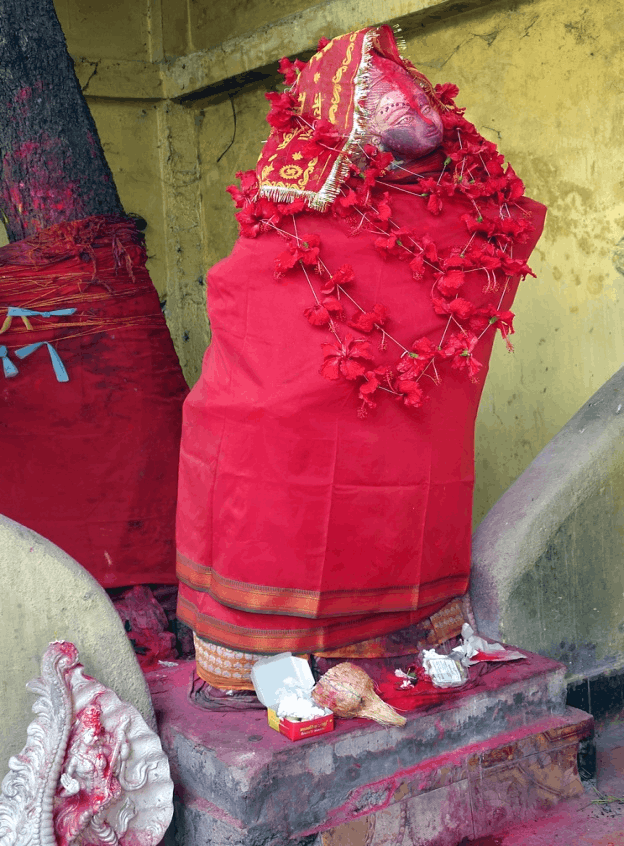
- Goddess
-
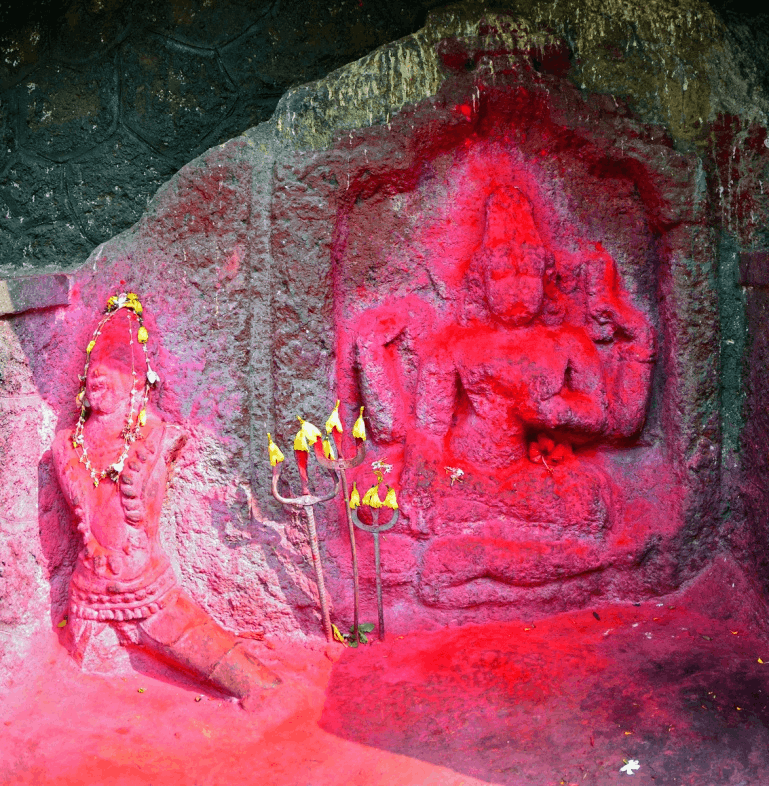
- Idol of God on the wall
-
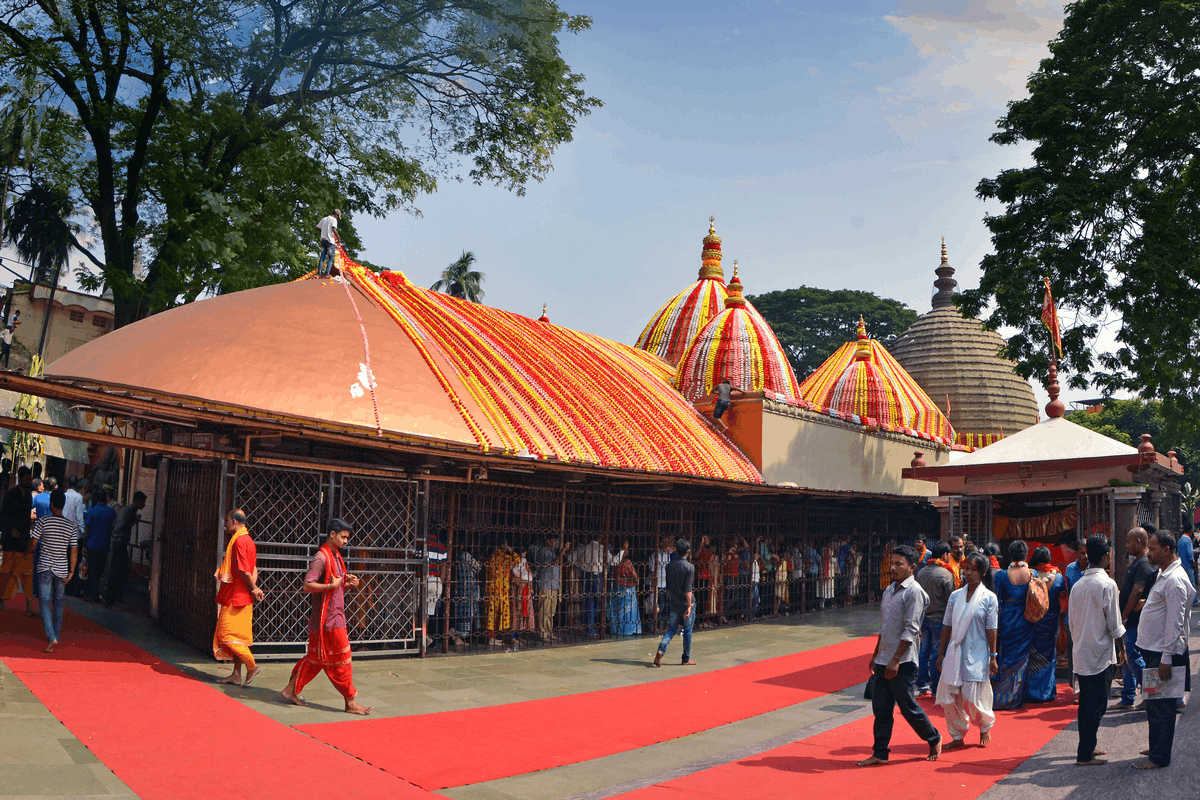
- People waiting for Darshan
-

- Sacrifice gate poojan