Lighting of Iconic Buildings
The architectural ensemble of North Block, South Block, and Rashtrapati Bhavan forms the ceremonial heart of India’s capital. While these iconic structures command attention during the day with their imposing symmetry and classical design, it is at nighttime that they truly come alive through the magic of illumination.
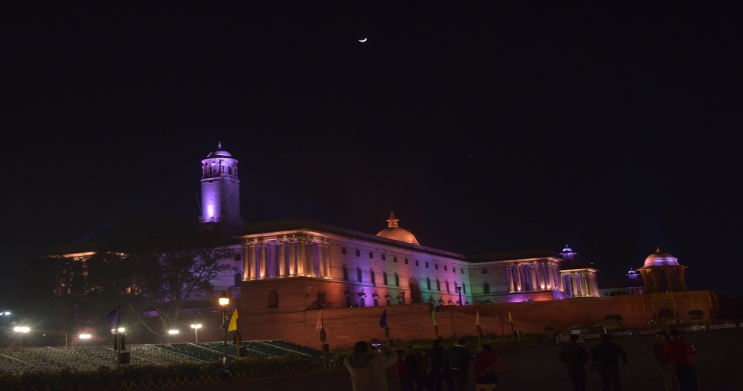
As dusk settles over New Delhi, a gradual transformation begins. The soft glow of carefully positioned lights starts to define the contours of these monumental buildings. Designed by the legendary British architects Edwin Lutyens and Herbert Baker, these structures reflect a harmonious blend of classical European and Indian architectural elements. The nighttime lighting further enhances this fusion, highlighting domes, colonnades, and intricate stonework with precision and elegance.
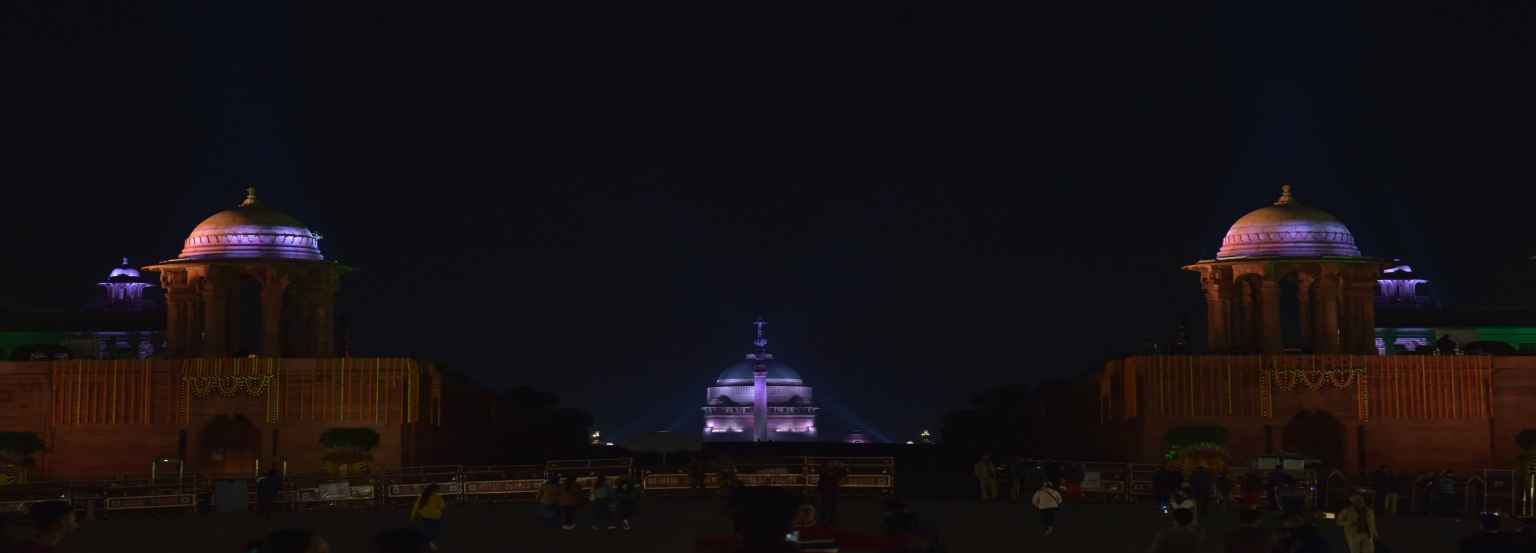
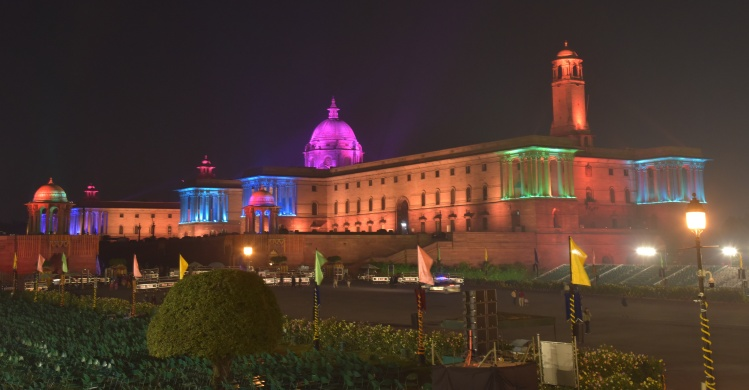
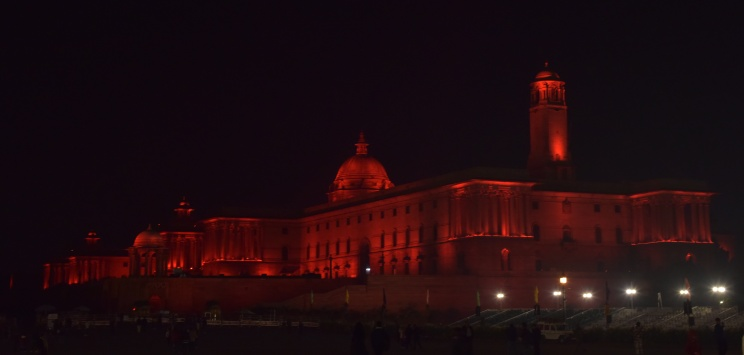
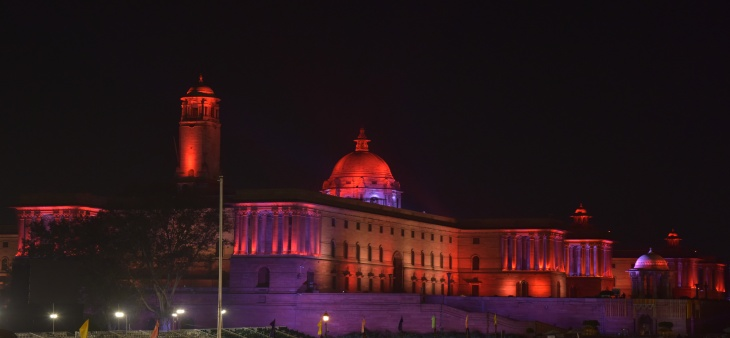
The lighting design of North and South Block is subtle yet powerful. Warm-toned floodlights wash over the sandstone facades, bringing out the rich textures and earthy hues of the buildings. The interplay of light and shadow adds depth, emphasizing the rhythmic patterns of pillars and arches. The symmetry of the two blocks, flanking the grand Rajpath (now Kartavya Path), is accentuated under illumination, creating a sense of balance and grandeur that is both calming and awe-inspiring.
At the summit stands Rashtrapati Bhavan, the official residence of the President of India, glowing like a crown jewel against the night sky. The central dome, inspired by both the Sanchi Stupa and classical European forms, is dramatically lit, becoming the focal point of the entire vista. Rows of lights trace the building’s expansive facade, while softer lighting highlights the Mughal Gardens and surrounding pathways. The effect is regal yet inviting, a visual narrative of India’s democratic pride and heritage.
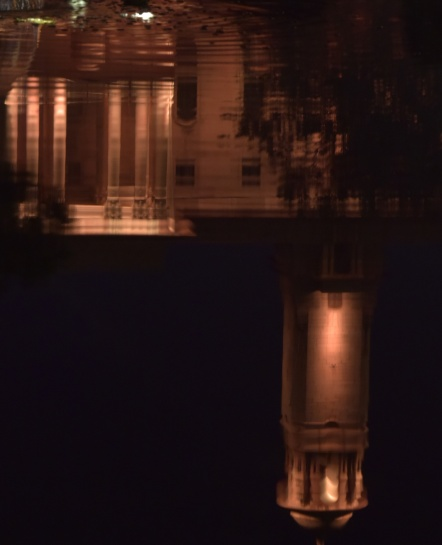
From a photographic perspective, nighttime lighting at these locations offers immense creative opportunities. Long exposure shots can capture the stillness and serenity of the illuminated structures, while reflections and leading lines from the surrounding roads guide the viewer’s eye toward the central dome. The absence of harsh daylight contrasts allows for a more controlled composition, where every highlight and shadow contributes to the storytelling.
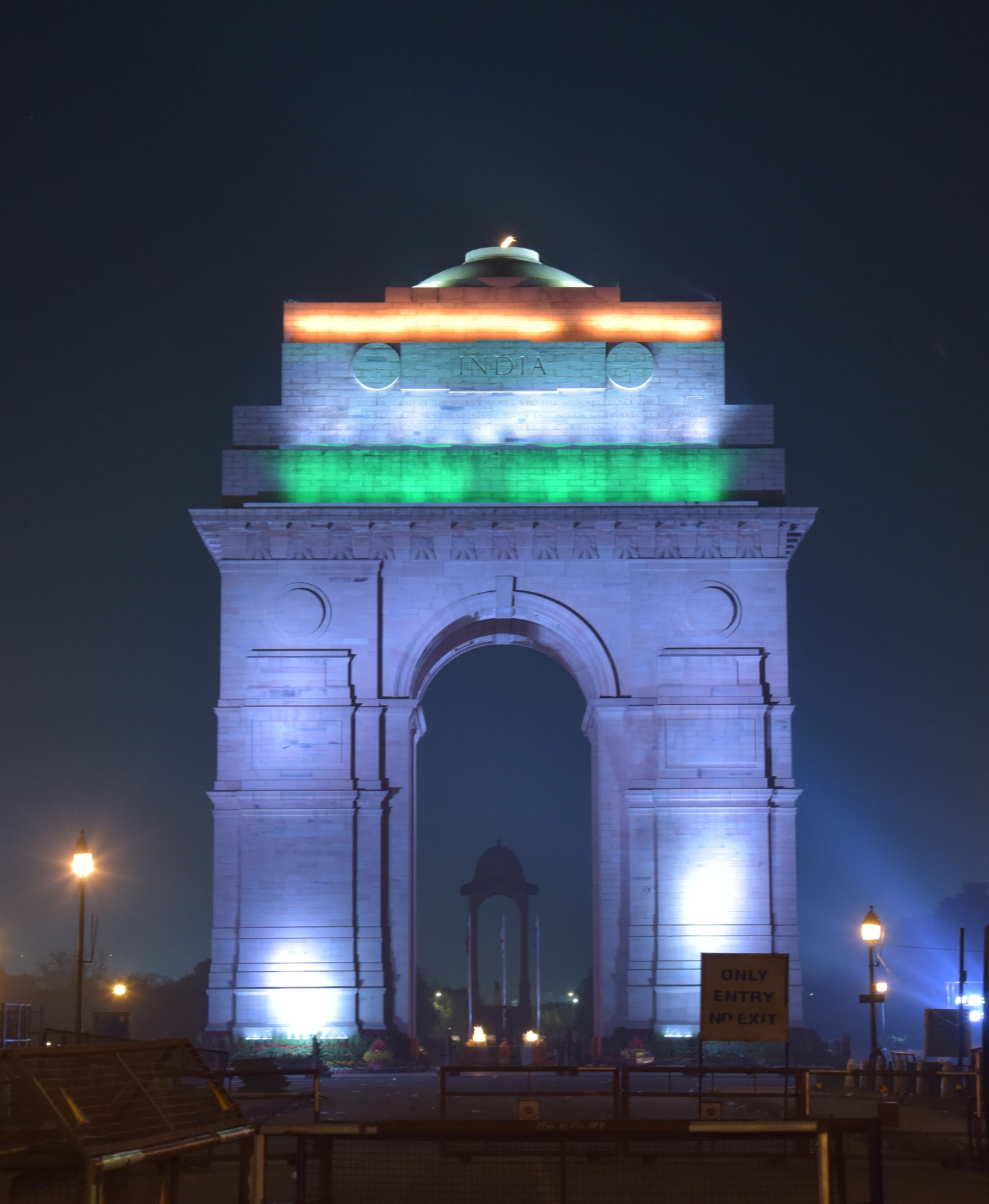
Moreover, the lighting is not merely aesthetic—it is symbolic. It represents transparency, continuity, and the enduring strength of governance. On special occasions and national celebrations, the illumination becomes even more elaborate, transforming the entire complex into a spectacle of national pride.
In essence, the nighttime lighting of North Block, South Block, and Rashtrapati Bhavan is a masterclass in architectural illumination. It showcases how light, when thoughtfully applied, can elevate heritage structures beyond their physical form into timeless works of art. For photographers, visitors, and citizens alike, this luminous display is a reminder that even in stillness, these symbols of governance continue to shine with quiet dignity and grace.