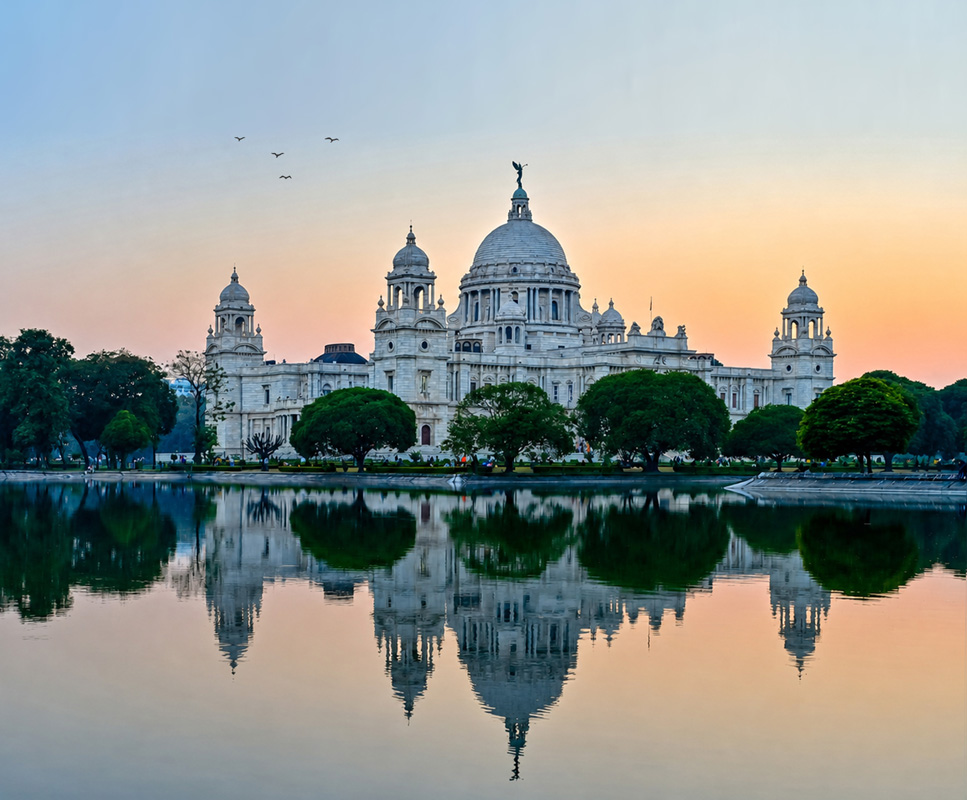
Victoria Memorial, Kolkata
The Victoria Memorial stands as one of India’s most striking symbols of the colonial era—an architectural masterpiece that continues to captivate historians, tourists, and photographers alike. Conceived as a tribute to Queen Victoria, who held the title of Empress of India until 1901, the memorial was envisioned by Lord Curzon as a grand and lasting homage. Its foundation stone was laid in 1906, and after years of meticulous construction, it was completed in 1921.
Built from luminous Makrana marble, the monument reflects a harmonious blend of classical European architectural style and subtle Mughal influences, visible in its domes, arches, and intricate detailing. Following India’s independence in 1947, the Victoria Memorial was repurposed into a museum. Today, it houses a rich collection of paintings, manuscripts, artifacts, and historical memorabilia, offering a layered narrative of both colonial history and India’s cultural evolution.
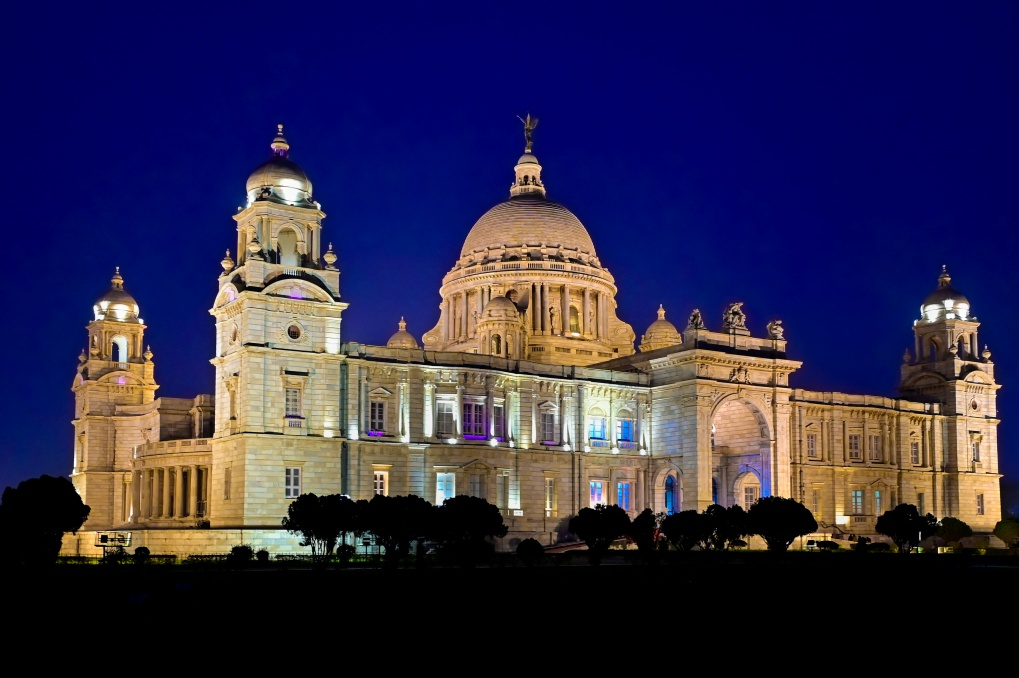
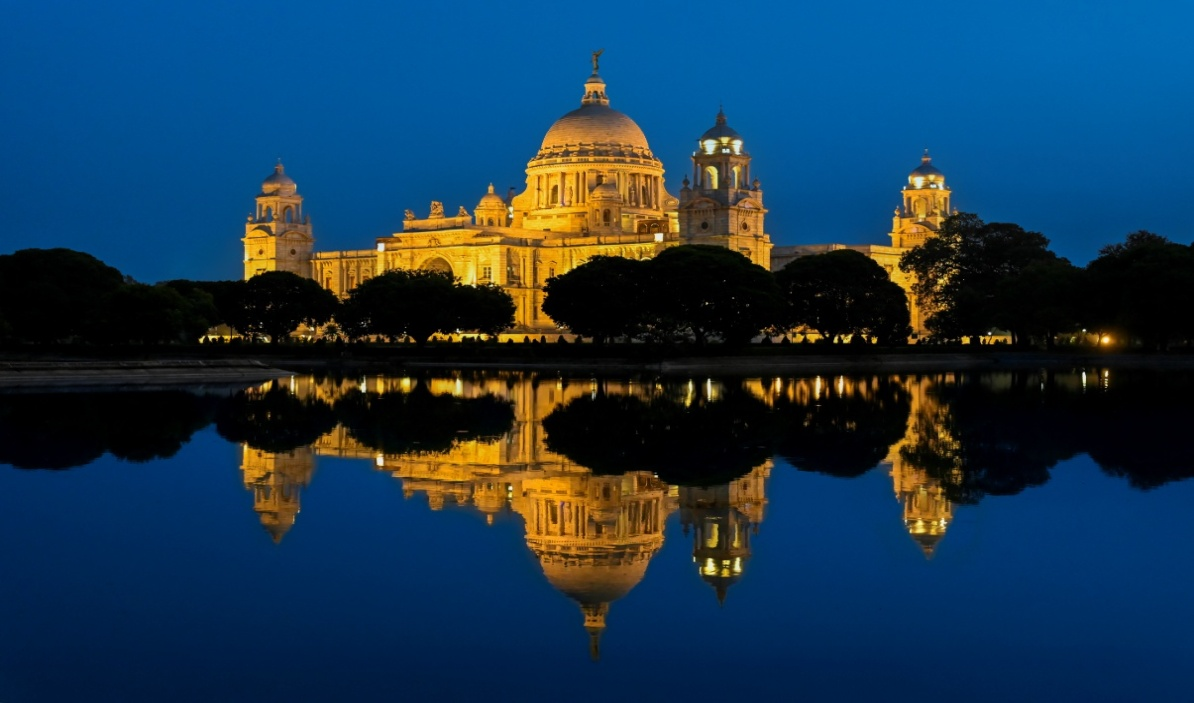
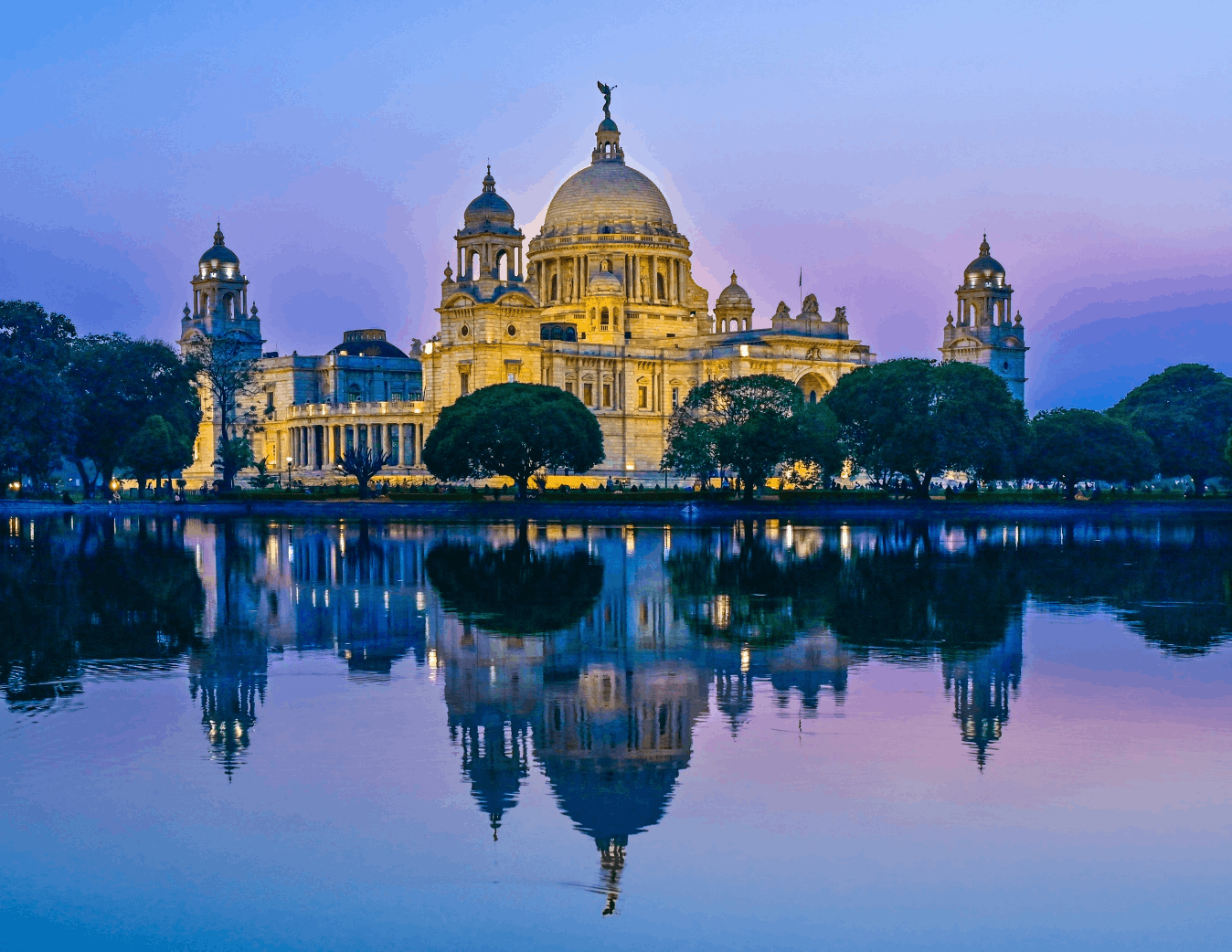
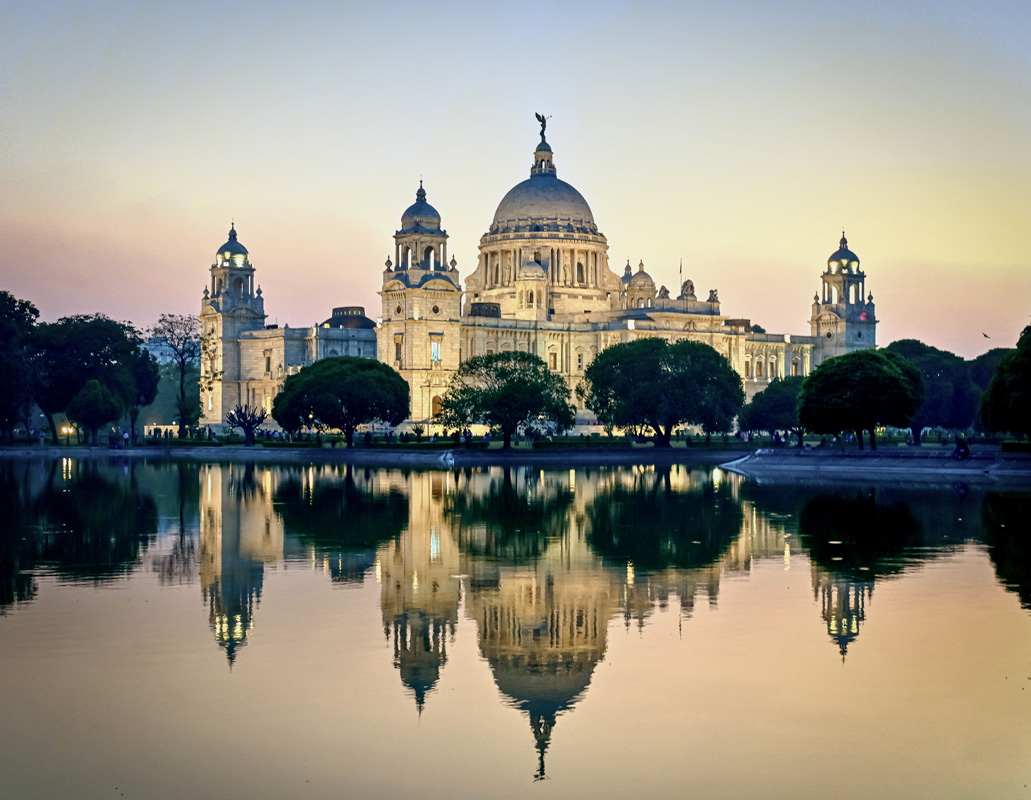
In December 2024, I had the opportunity to experience and photograph this magnificent structure—not over an entire day, but within a single, fleeting window of time. What unfolded during that one hour in the evening was nothing short of extraordinary.
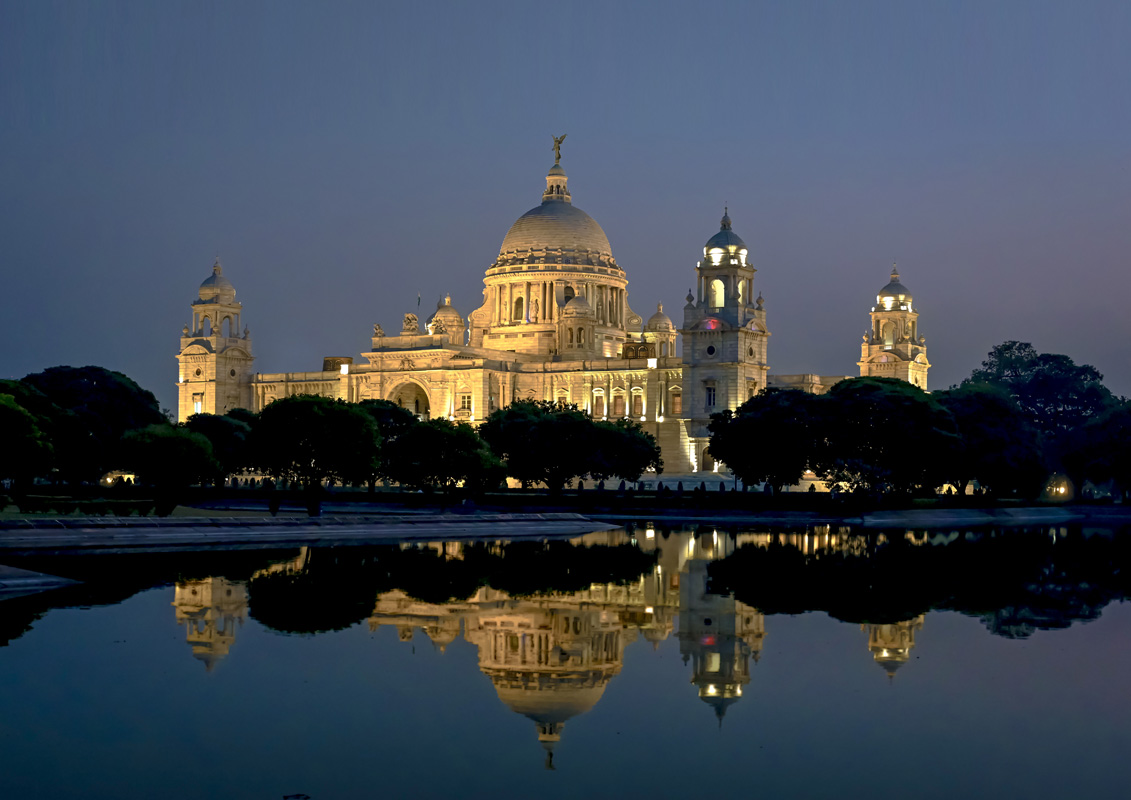
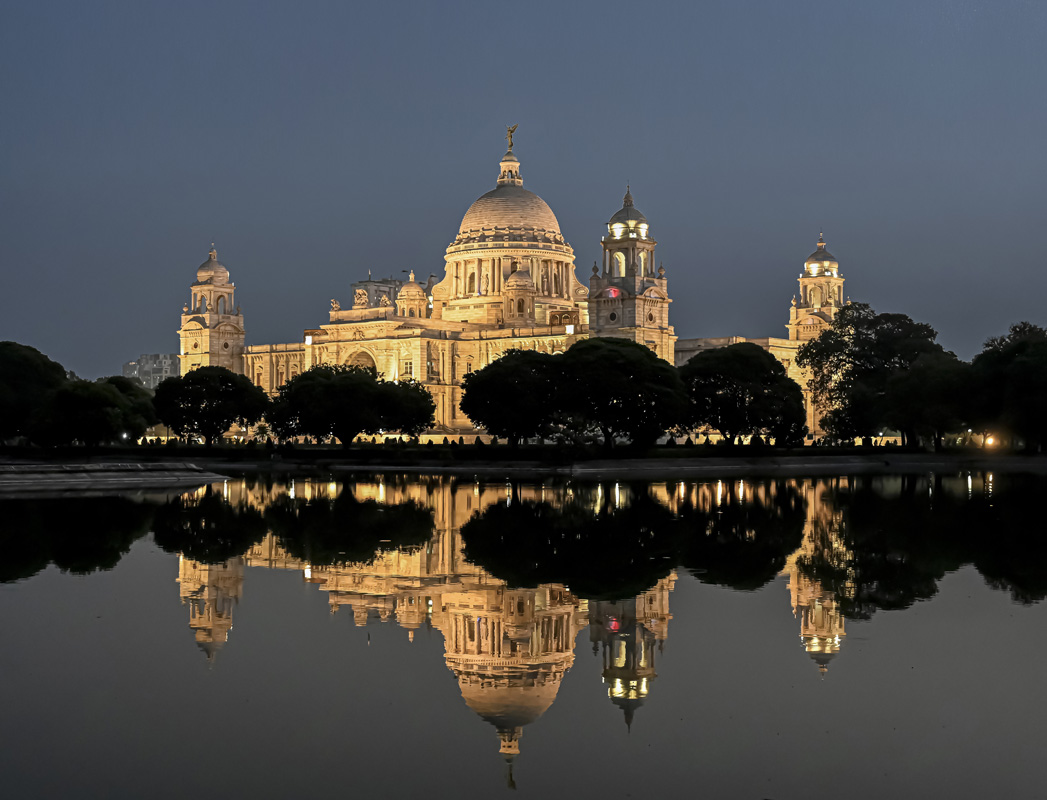
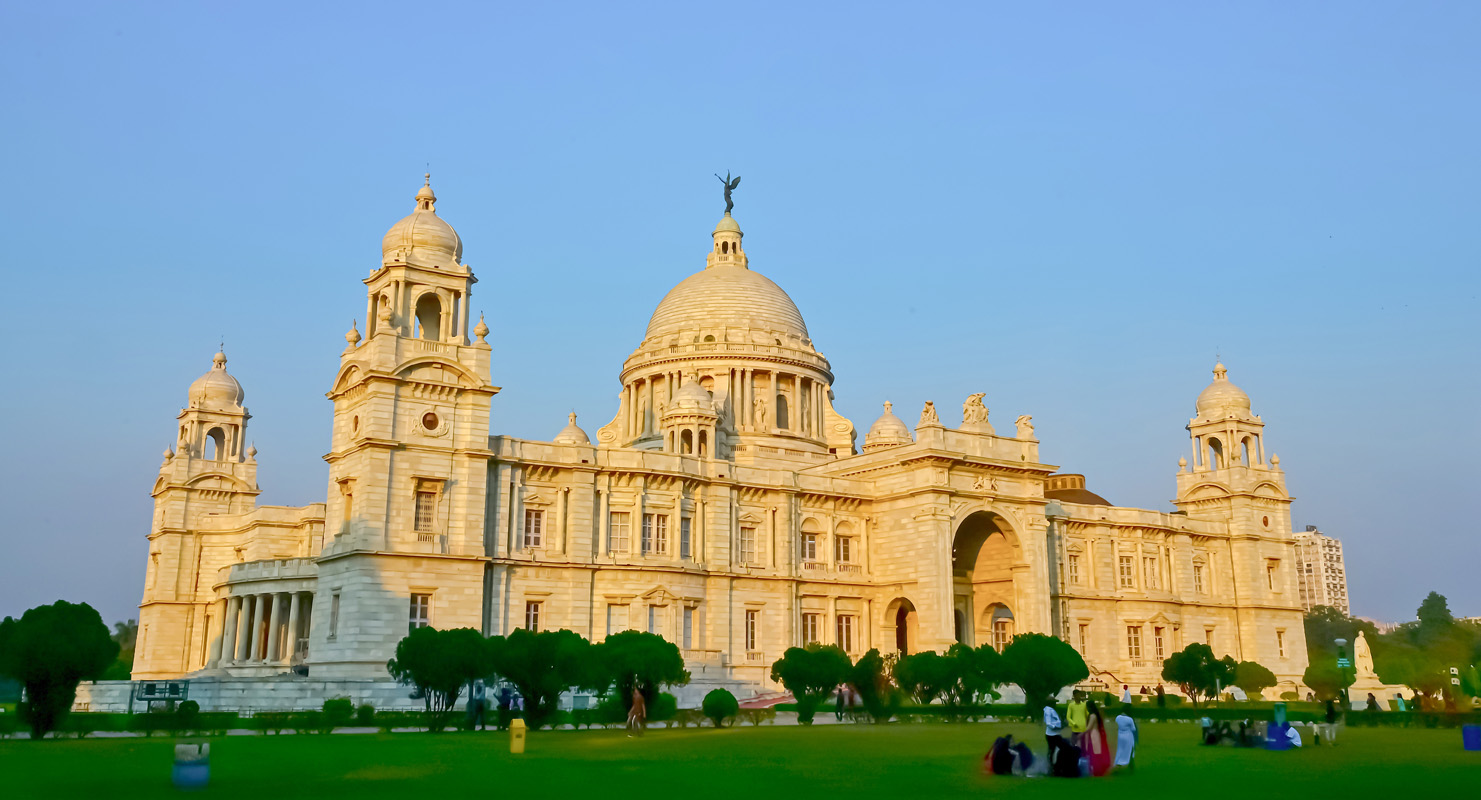
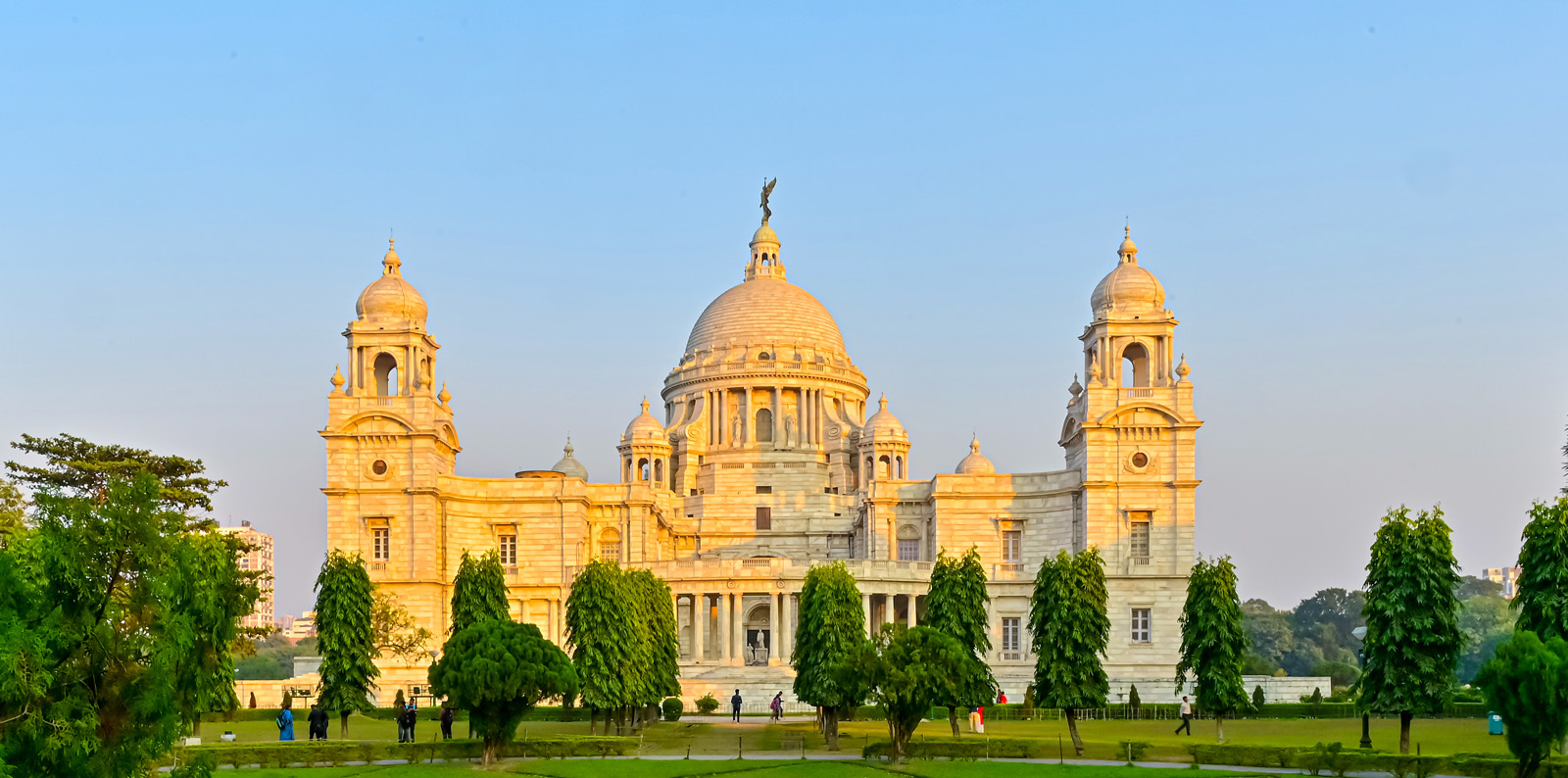
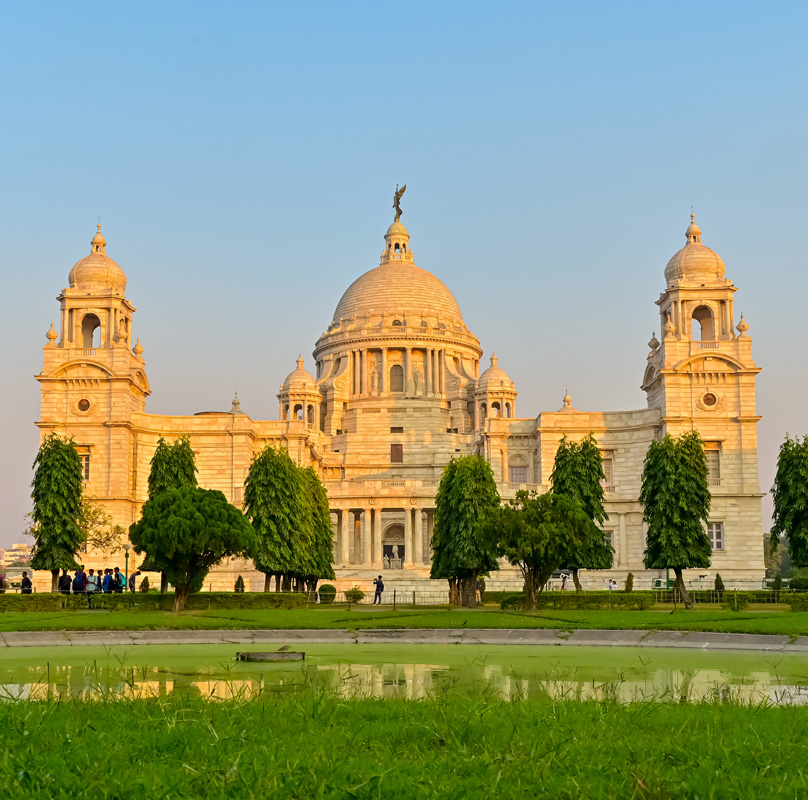
For a photographer, the Victoria Memorial is far more than a static subject; it is a responsive canvas, shaped profoundly by light. As the sun began its descent, the marble façade transformed before my eyes. The warm, golden glow of the setting sun gently wrapped around the monument, enhancing its textures and giving it a soft, almost ethereal quality. The structure seemed to radiate warmth, evoking a sense of nostalgia and quiet grandeur.
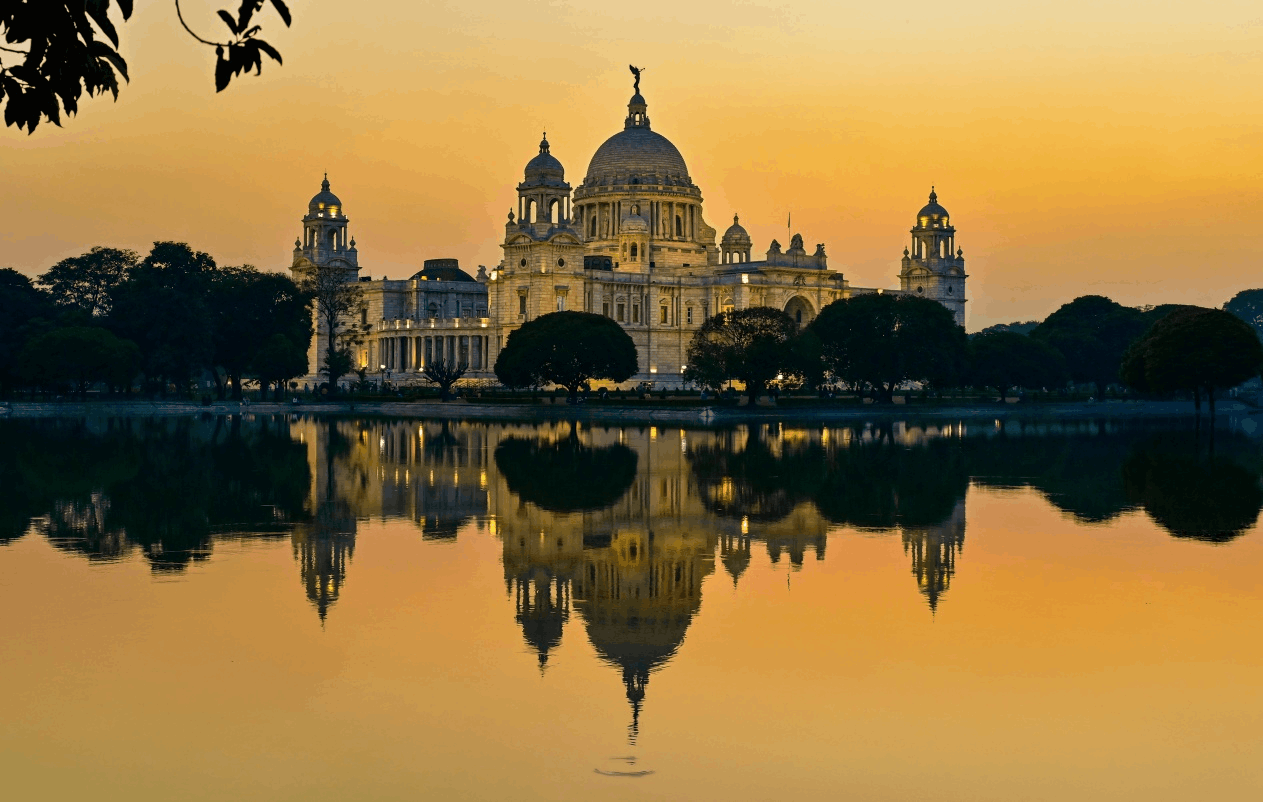
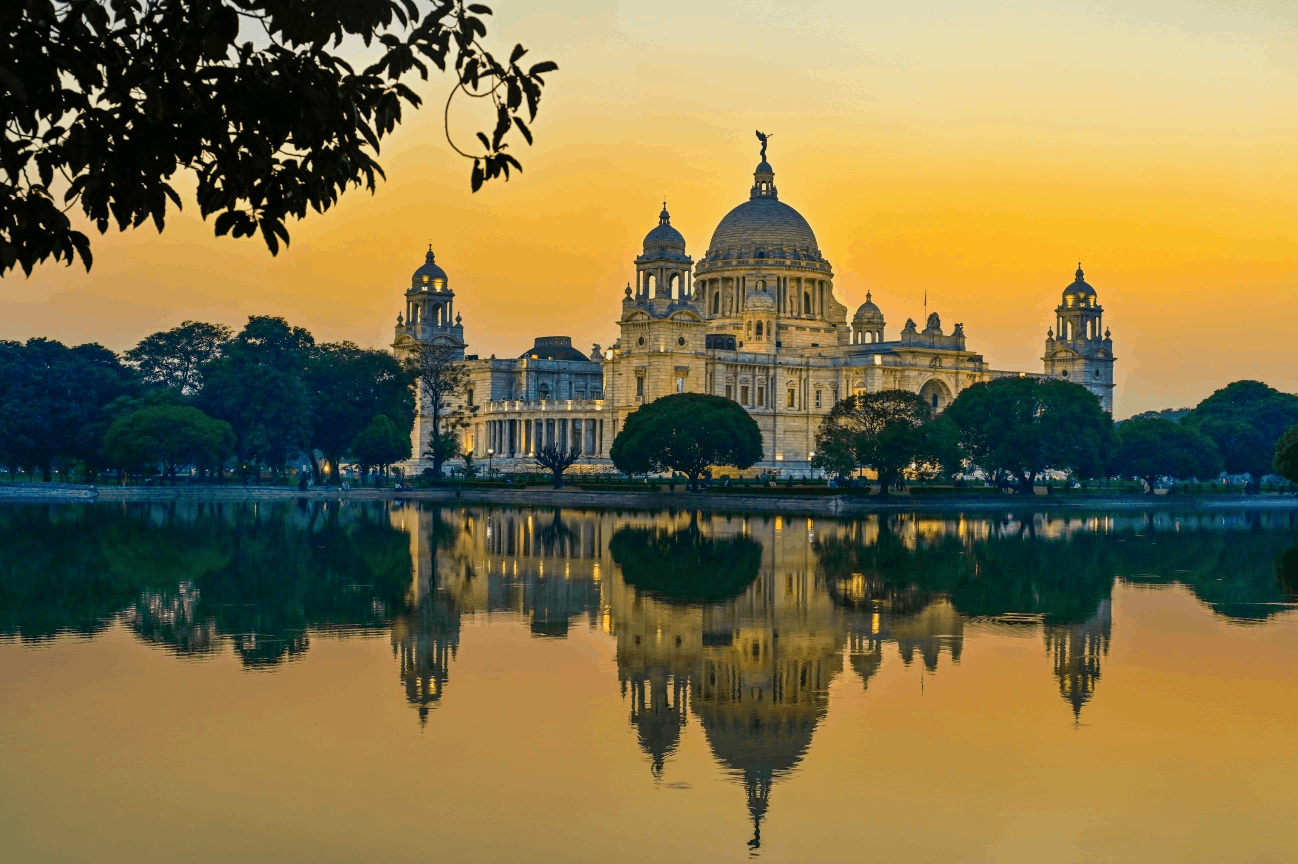
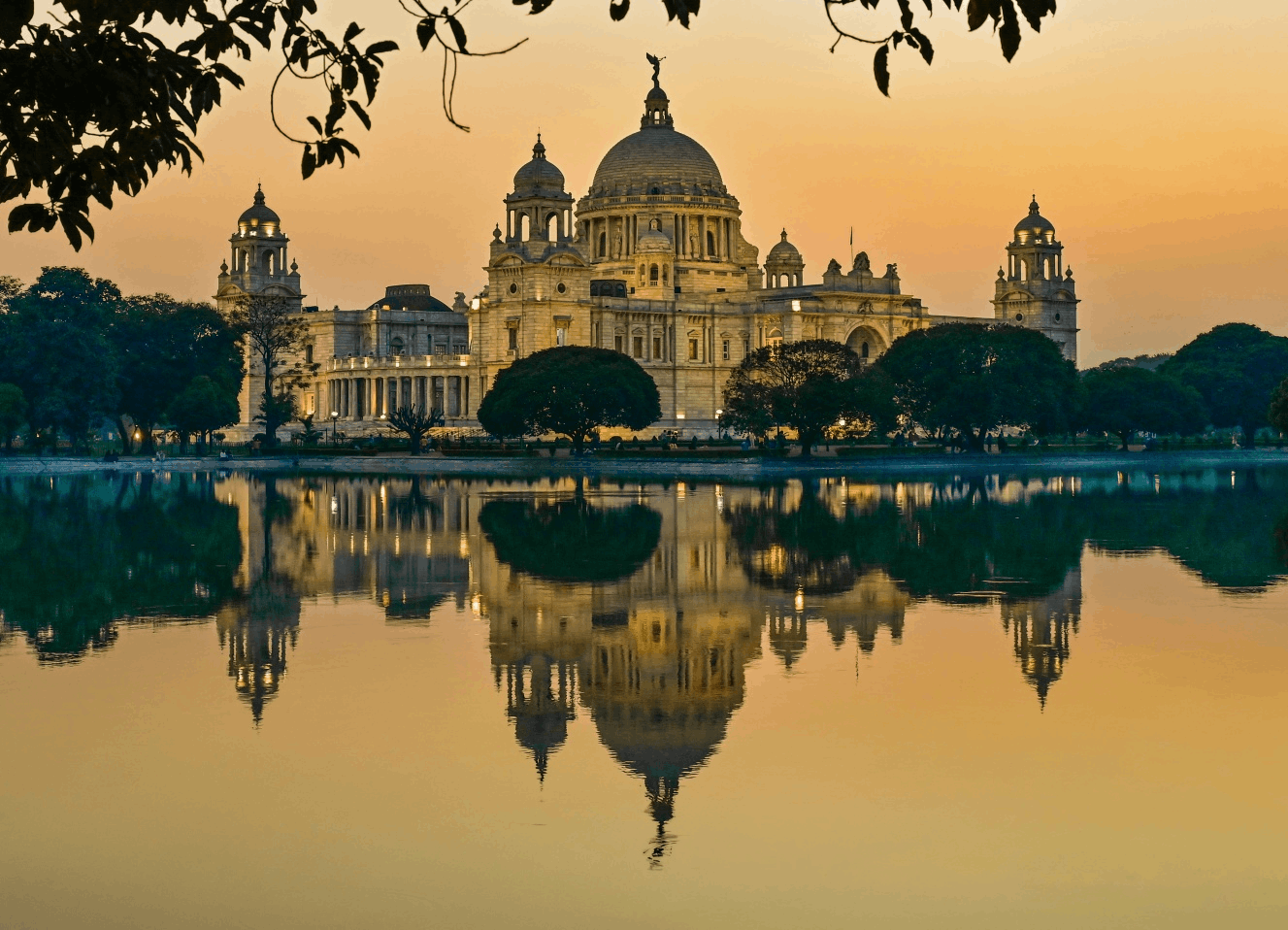
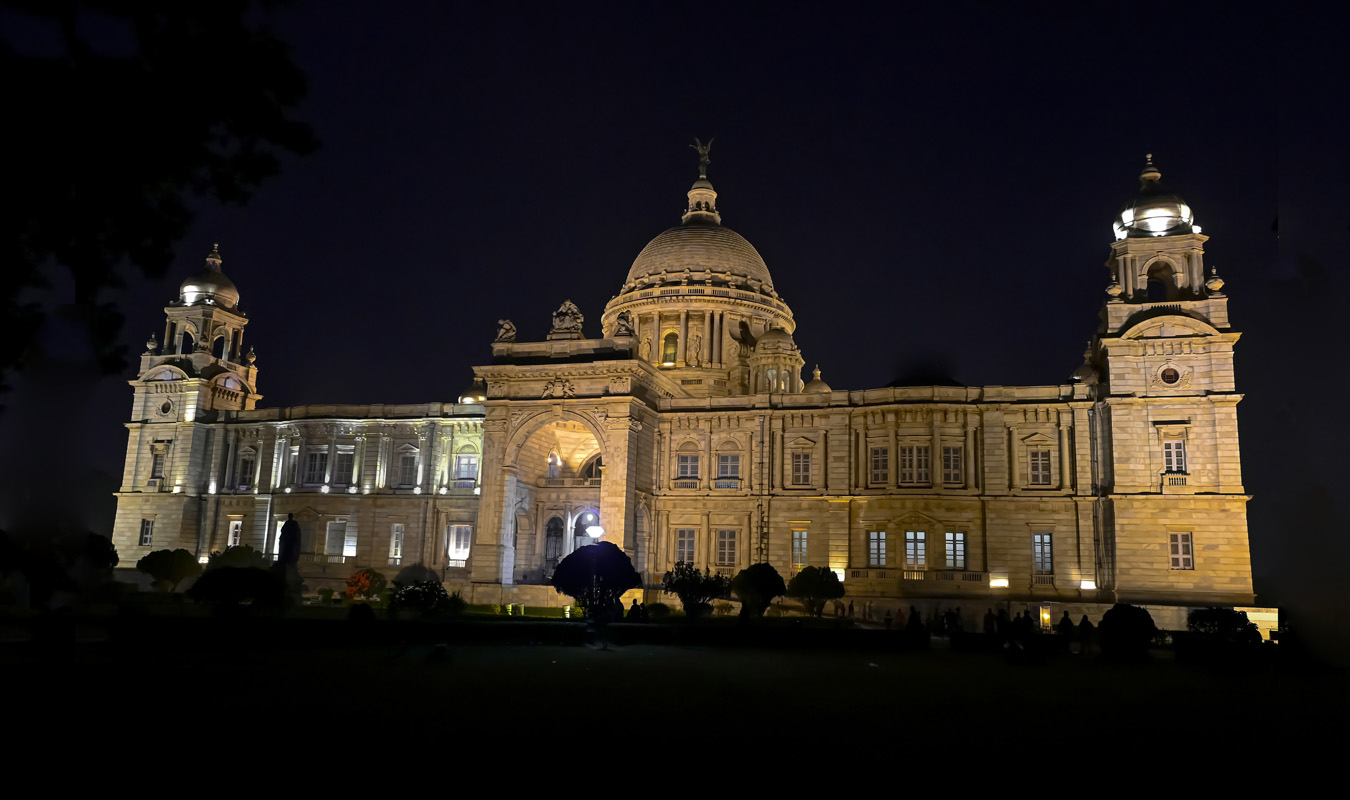
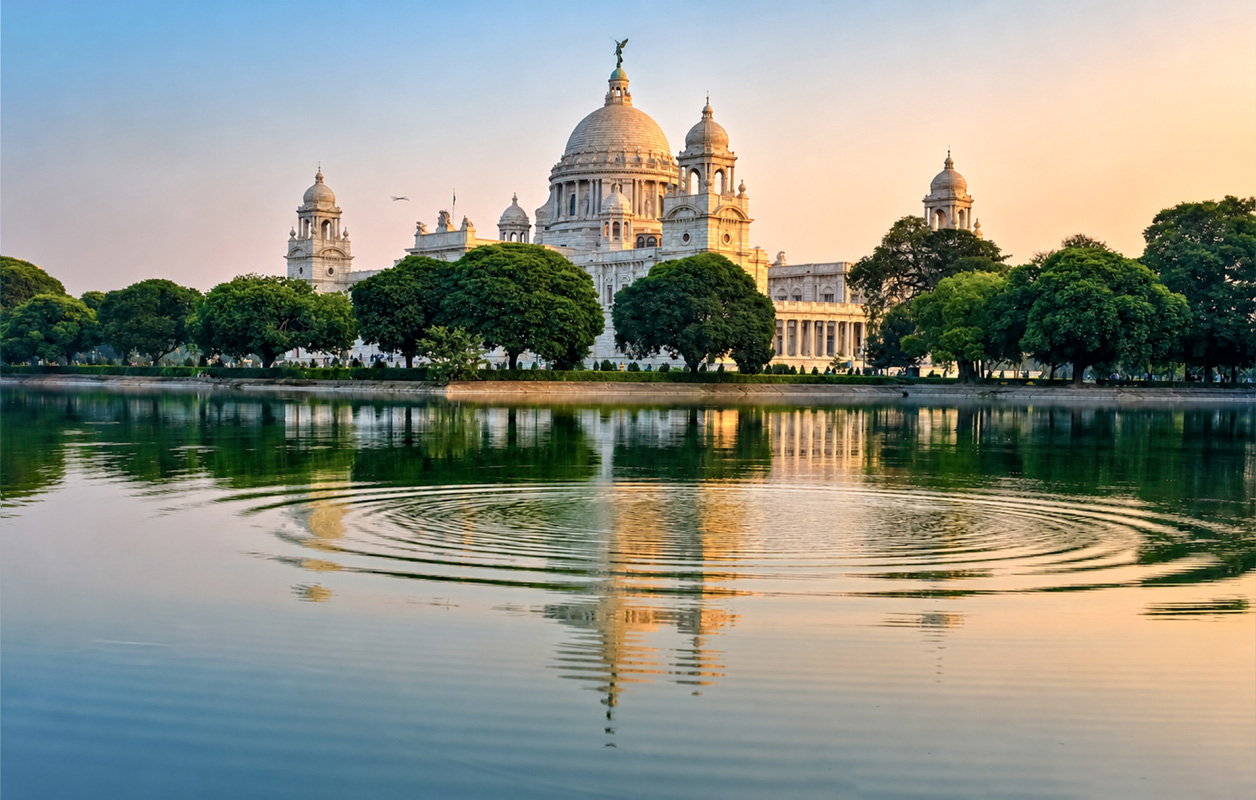
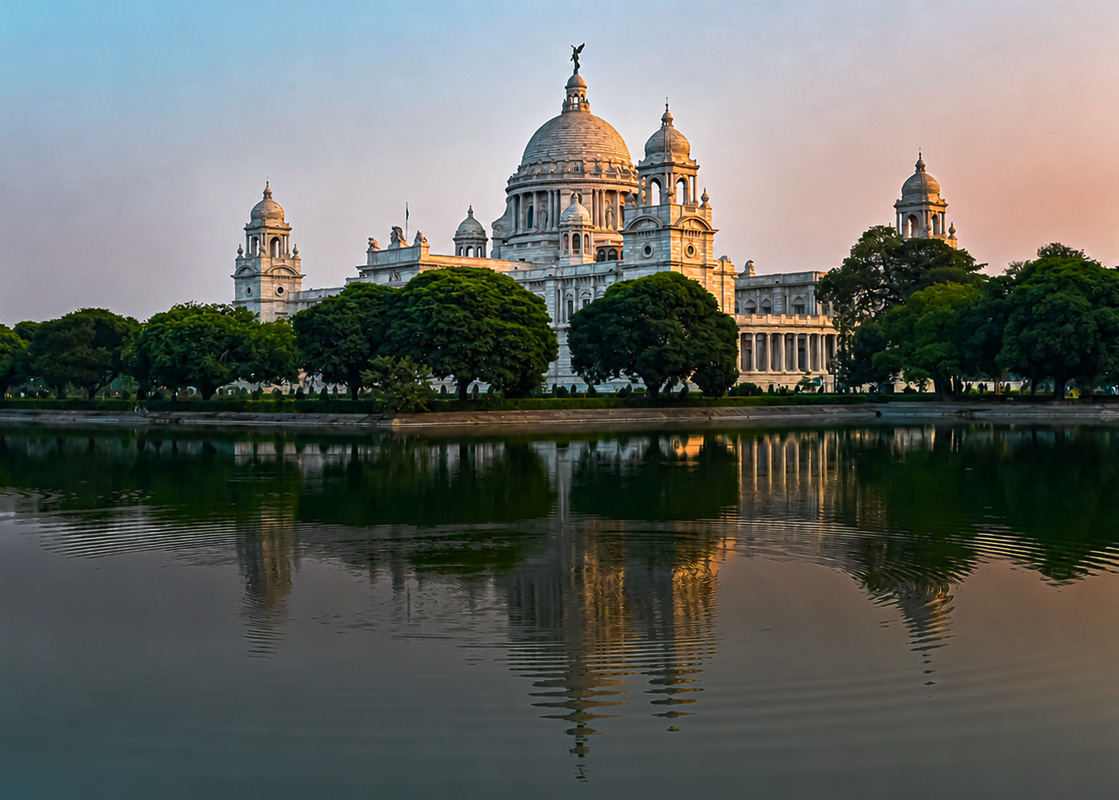
Yet, this moment of warmth was only the beginning of a rapid and dramatic transition. Within minutes, the light began to shift. Golden tones slowly receded, making way for cooler hues. Shadows lengthened and deepened, carving out the architectural features with increasing intensity. The domes and columns, once softly illuminated, now stood in bold contrast, revealing a more dramatic and sculptural presence.
What made this experience truly remarkable was the pace of change. In the span of just one hour, the Victoria Memorial revealed multiple identities—each distinct, yet seamlessly connected. It was as if the monument was narrating different chapters of its story through light alone. Every few minutes presented a new composition, a new mood, and a new opportunity to capture something unique.
Photographing the Victoria Memorial during that brief evening window was a lesson in observation and patience. It reinforced the idea that photography is not always about waiting for the perfect moment, but about recognizing and responding to the moments that unfold rapidly before us. Even within a limited timeframe, the possibilities were endless—proving that creativity is often driven by how we see, rather than how long we have.
More importantly, the experience highlighted how a seemingly unchanging monument can possess a dynamic visual life. Through shifting light, evolving shadows, and changing tones, the Victoria Memorial revealed an ever-changing personality—one that cannot be captured in a single frame or a single visit.
For photographers, it remains a place of endless inspiration. It challenges the eye to see beyond the obvious and invites experimentation with light, composition, and perspective. In that one hour of evening light, I discovered that the Victoria Memorial is not just a historical landmark—it is a living, breathing subject, constantly redefining itself.
Ultimately, the experience was a reminder that photography is about storytelling through perception. And at the Victoria Memorial, even within the span of a single hour, there are countless stories waiting to be told—each shaped by the delicate, fleeting dance of light.